- Attachment-based work
- Cognitive behavioral tools
- Person-centered care
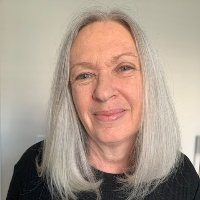
About Anat
Dr. Anat Anais is a New York LCSW with 30 years of clinical experience. She works with adults on concerns such as depression, anxiety, relationship problems, parenting challenges, grief, addiction, and family of origin issues. She also supports people dealing with self-esteem, intimacy-related concerns, eating and sleeping problems, and career stress.
Her approach is person-centered and humanistic. She combines ideas from different therapies rather than using one fixed method. In sessions she listens, reflects, and helps people notice patterns that come from their family of origin and early attachments. She pays attention to how those early roles and expectations still shape feelings and choices today.
Dr. Anais uses practical strategies drawn from methods like cognitive behavioral work and emotionally-focused approaches when they fit the client's goals. She also uses attachment-based ideas to look at how close relationships affect mood and behavior. Motivational interviewing is included when someone needs help finding the energy to make a change.
Sessions are conversational and aim to make difficult topics clearer. She helps people name recurring patterns, try small changes, and track what helps. For people managing trauma, abuse, or dissociation she brings experience across a wide range of related concerns.
Dr. Anais holds a doctorate in social work from Adelphi University and practices in New York. She works in English and Hebrew and has long experience with diverse cultural backgrounds.
How therapeutic approaches are used in online sessions
Dr. Anais combines attachment-based ideas, client-centered work, and cognitive behavioral techniques during sessions. Attachment-based work looks at how early relationships shape current patterns and helps people notice repeating roles and expectations. Client-centered work focuses on listening and reflecting so people can clarify what matters to them and set personal goals. Cognitive behavioral techniques offer concrete exercises and ways to test unhelpful thoughts and behaviors.Choosing an approach is a collaborative process. She will discuss options with each person and decide together which methods match the concerns, goals, and preferences presented in early sessions. Adjustments are made as needed based on what actually helps the client feel different in daily life.
Confirm current session options before booking so you know which formats are offered. Many people find online sessions make it easier to fit appointments into a busy schedule, use shorter check-ins when needed, avoid travel time, or choose audio-only when bandwidth is limited. Ask about formats when scheduling so sessions can be planned to fit everyday life.
Areas of expertise
Primary focus
Also works with
Additional focus areas
Therapeutic approaches
Experience
30+ years
Listed in
New York
Languages
English, Hebrew
Frequently asked questions
What kinds of problems does she address?
She works with stress, anxiety, depression, relationship and intimacy concerns, addictions, grief, parenting challenges, and family of origin issues among many other topics.
How would you describe her therapeutic style?
Her style is person-centered and humanistic. She mixes conversational listening with practical tools drawn from several models.
How much experience does she have?
She has 30 years of clinical experience working with adults on a wide range of concerns.
What are her credentials and where does she practice?
She is a Licensed Clinical Social Worker, NY LCSW, practicing in New York.
Which languages are offered in sessions?
Sessions are offered in English and Hebrew.
Does she work with international clients?
She does not accept international clients at this time.
How are sessions paid for and what does it cost?
Cost varies with location; sessions use a subscription that can be canceled at any time.
How do I begin a first session?
Select the See online therapy options button, complete a short matching questionnaire, and schedule a first session.
Online talk therapy is not emergency care. If you are in danger, use the emergency numbers. Looking for someone else? Find them by surname.