- Client-Centered therapy
- Cognitive Behavioral Therapy
- DBT skills work
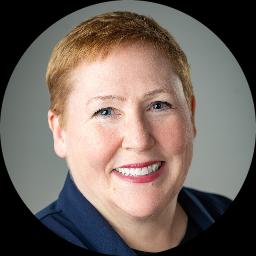
About Holly
Holly Erskine is a Licensed Clinical Social Worker (LCSW) in Wisconsin with 15 years of experience. She works with adults dealing with stress, anxiety, depression, self-esteem struggles, trauma and abuse, and major life changes. Holly lists family of origin issues among the concerns she addresses.
Holly uses a trauma-informed outlook and focuses on what clients are coping with now. She listens to personal histories and helps people recognize how past family patterns influence present behavior. Sessions emphasize practical skills to manage intense emotions and reduce symptoms that get in the way of daily life.
Her work draws on client-centered methods and cognitive behavioral techniques to challenge unhelpful thoughts and test new ways of responding. She also uses dialectical behavior strategies to teach emotion regulation, distress tolerance, and interpersonal skills. When trauma is central, trauma-focused approaches are used to address lingering symptoms.
Holly aims to form a collaborative plan in the first sessions, identifying immediate goals and steps to reach them. She outlines concrete strategies and practices people can try between meetings. Progress is checked regularly and plans are adjusted based on what helps.
People who reach out can expect clear explanations of methods and practical homework options. Her focus is on helping adults reduce symptoms, handle life transitions, and understand how family of origin patterns affect current choices. The tone in sessions is direct and goal-oriented.
How Holly’s approaches translate to online work
Holly commonly uses client-centered methods and cognitive behavioral therapy online. Client-centered work focuses on listening closely and helping people set their own goals. CBT involves identifying unhelpful thoughts and testing new behaviors to reduce anxiety and depression.She also brings in dialectical behavior therapy (DBT) skills when emotion regulation and distress tolerance are needed. DBT skills teaching breaks down specific techniques for handling intense feelings and improving interactions with others.
Finding the right mix of approaches is part of the process. Holly works collaboratively to decide which methods fit a person’s needs, goals, and preferences. That decision is reviewed as therapy progresses and adjusted when different tools would be more helpful.
Session formats are not specified in the biography, so confirm the current options before booking. Online sessions can make it easier to fit therapy into a workday, cut travel time, or allow a shorter check-in when needed. Talk with her during the matching step to learn what formats and scheduling patterns are offered and which will best match daily life.
Areas of expertise
Additional focus areas
Therapeutic approaches
Experience
15+ years
Listed in
Wisconsin
Languages
English
Frequently asked questions
Which concerns does Holly address?
She works with stress, anxiety, depression, self-esteem issues, trauma and abuse, and coping with life changes. Family of origin issues are included among her focus areas.
What is her therapeutic style?
Holly uses a trauma-informed, client-centered approach with practical skills focus. Sessions combine talking through history with concrete strategies for emotion regulation.
How much experience does she have?
Holly has 15 years of experience in the mental health field working with trauma-related symptoms and mood disorders.
What are her credentials and where is she based?
She is an LCSW licensed in Wisconsin and practices from that state.
In which languages are sessions offered?
Sessions are offered in English.
Does she work with international clients?
She does not accept international clients at this time.
How is cost handled?
Cost varies with location and sessions use a subscription model that can be canceled at any time.
How do I begin the process?
Select the See online therapy options button, complete a short matching questionnaire, and schedule a first session.
Online talk therapy is not emergency care. If you are in danger, use the emergency numbers. Looking for someone else? Find them by surname.