
Velma Jones
LCSWNew York · 29 yrs exp
Licensed Clinical Social Worker - Family and Relationships
Stress, Anxiety · Relationship · Trauma and abuse · Depression · +10 more
Read profileUnderstanding the patterns you grew up with
Therapist listings are provided by BetterHelp. We will earn a commission at no additional cost to you if you use our links to purchase.
On this page you will find therapists who list post-traumatic stress among their specialties, along with filters for approach, credentials, language, and experience. Browse the profiles below to compare approaches and learn how different clinicians describe their work with trauma.
New York · 29 yrs exp
Licensed Clinical Social Worker - Family and Relationships
Stress, Anxiety · Relationship · Trauma and abuse · Depression · +10 more
Read profile
Illinois · 17 yrs exp
Illinois LCSW - Family and trauma concerns
Trauma and abuse · Coping with life changes · Stress, Anxiety · Relationship · +9 more
Read profile
Colorado · 19 yrs exp
LCSW - Family of origin and relationship work
Stress, Anxiety · Relationship · Trauma and abuse · Grief · +12 more
Read profile
Illinois · 19 yrs exp
Dr. Steven Hurley, IL Psychologist - Family patterns and coping
Stress, Anxiety · LGBT · Relationship · Trauma and abuse · +9 more
Read profile
Alabama · 22 yrs exp
AL LPC - Stress and family concerns
Stress, Anxiety · Trauma and abuse · Anger · Self esteem · +16 more
Read profile
South Carolina · 16 yrs exp
Licensed Marriage and Family Therapist - Relationships and Family of origin
Stress, Anxiety · Relationship · Family · Parenting · +14 more
Read profile
Texas · 13 yrs exp
LCSW focused on relationships and family patterns
Stress, Anxiety · Relationship · Trauma and abuse · Anger · +11 more
Read profile
Florida · 20 yrs exp
FL LMHC - Addiction and family patterns
Stress, Anxiety · Addictions · Relationship · Self esteem · +16 more
Read profile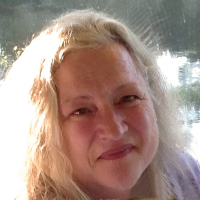
Minnesota · 25 yrs exp
Licensed counselor - family of origin and trauma focus
Stress, Anxiety · Relationship · Grief · Self esteem · +9 more
Read profile
Minnesota · 14 yrs exp
LMFT - Relationships and Family of Origin Patterns
Stress, Anxiety · Relationship · Family · Trauma and abuse · +8 more
Read profile
North Carolina · 16 yrs exp
Licensed Clinical Mental Health Counselor - Relationships and Trauma
Stress, Anxiety · Relationship · Trauma and abuse · Grief · +7 more
Read profile
Kansas · 12 yrs exp
Licensed Marriage and Family Therapist - Relationships and Trauma
Stress, Anxiety · Relationship · Intimacy-related issues · Depression · +13 more
Read profile
Kentucky · 18 yrs exp
LMFT - Relationships and family of origin concerns
LGBT · Relationship · Family · Self esteem · +14 more
Read profile
Colorado · 15 yrs exp
Licensed counselor - family of origin and relationships
Stress, Anxiety · Relationship · Intimacy-related issues · Self esteem · +10 more
Read profile
Louisiana · 7 yrs exp
Dr. Tanya Harrell - LPC, family and anxiety focus
Stress, Anxiety · Family · Trauma and abuse · Parenting · +15 more
Read profile
Florida · 25 yrs exp
Florida LMHC - family of origin and trauma focus
Relationship · Trauma and abuse · Grief · Anger · +12 more
Read profile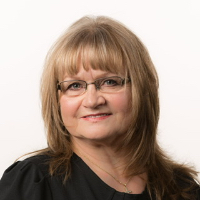
Texas · 15 yrs exp
LPC in Texas - family of origin and mood concerns
Addictions · Relationship · Trauma and abuse · Grief · +13 more
Read profile
Florida · 7 yrs exp
Licensed counselor - family origins and addiction
Addictions · Relationship · Family · Trauma and abuse · +13 more
Read profile
Texas · 12 yrs exp
LMFT - relationships and family of origin concerns
Stress, Anxiety · Addictions · Relationship · Grief · +11 more
Read profile
Florida · 26 yrs exp
LMHC - Relationship and life changes
Relationship · Grief · Self esteem · Depression · +13 more
Read profile
North Carolina · 10 yrs exp
LCSW in North Carolina - Family and Relationships
Stress, Anxiety · Relationship · Family · Bipolar · +16 more
Read profile
Texas · 17 yrs exp
LPC in Texas - family and anxiety concerns
Stress, Anxiety · Family · Depression · Coping with life changes · +12 more
Read profile
Oregon · 14 yrs exp
Licensed Professional Counselor - Mood and family roots
Grief · Self esteem · Career · Depression · +8 more
Read profile
New York · 35 yrs exp
Licensed Clinical Social Worker - Family patterns and coping
Stress, Anxiety · Self esteem · Career · ADHD · +10 more
Read profile
Louisiana · 10 yrs exp
Licensed counselor - family of origin and relationships
Stress, Anxiety · Relationship · Family · Depression · +12 more
Read profile
Oregon · 32 yrs exp
LMFT focused on relationships and family patterns
Stress, Anxiety · Relationship · Trauma and abuse · Grief · +9 more
Read profile
Texas · 10 yrs exp
LPC in Texas - Family and relationship concerns
Stress, Anxiety · Relationship · Family · Depression · +14 more
Read profile
Texas · 11 yrs exp
Licensed Professional Counselor - relationships and family issues
Stress, Anxiety · Relationship · Family · Parenting · +9 more
Read profile
Illinois · 10 yrs exp
Illinois LCPC - Family and relationship concerns
Stress, Anxiety · LGBT · Relationship · Trauma and abuse · +10 more
Read profile
Florida · 14 yrs exp
LMHC - Family patterns and relationships
Stress, Anxiety · Trauma and abuse · Bipolar · Depression · +16 more
Read profilePost-traumatic stress refers to a set of emotional, cognitive, and physical reactions that can follow exposure to a distressing or life-threatening event. You may have experienced a single traumatic incident, such as an accident, assault, or natural disaster, or repeated events over time. The way trauma affects you can vary widely - some people notice recurring memories or flashbacks, while others feel emotionally shut down or intensely reactive to reminders of what happened. Sleep, concentration, relationships, and day-to-day functioning can all be affected in ways that feel overwhelming.
Trauma responses often touch multiple areas of life. You might find that seemingly small triggers bring on strong feelings, or that old routines now feel unsafe or exhausting. Physical symptoms like tension, headaches, or a racing heart can accompany anxious thoughts. Emotional numbness or avoidance can make it hard to connect with others, while hypervigilance can keep you on edge. These reactions are understandable responses to what you have been through, and many people find that focused support helps them regain a sense of control and perspective.
If you notice persistent intrusive memories, nightmares, or strong reactions to reminders of an event, therapy may help you process these experiences. Difficulty sleeping, trouble concentrating, or feeling detached from yourself or others are common reasons people seek support. You may also find that avoidance - steering clear of places, activities, or people that remind you of trauma - limits your life in ways you'd like to change. When symptoms interfere with work, relationships, or your sense of wellbeing, reaching out for professional support can be a useful step.
You do not need to wait for a crisis to talk with a therapist. Many people seek help when they want tools to manage intense reactions, reduce anxiety, or rebuild trust in relationships. If you are coping through substance use, self-harm, or constant overwhelm, a therapist can offer strategies to increase safety and reduce harm. Therapy can also provide a place to make sense of how trauma has shaped your beliefs, identity, and day-to-day choices, helping you move toward goals that matter to you.
Initial sessions typically focus on building a working relationship and understanding your history. A therapist will ask about the events that have affected you, your current symptoms, and what you hope to achieve in therapy. You and your clinician often develop shared goals - for example, reducing panic when reminded of an event, improving sleep, or rebuilding connection with family. Some people find that simply having a consistent, empathetic space to talk begins to ease distress.
As therapy continues, you may work on practical coping skills to manage intense emotions, such as grounding techniques, breathwork, or strategies to reduce avoidance. Many approaches integrate careful processing of traumatic memories with safety-building practices. The pace of that work is set by you and your therapist - some people move gradually into processing, while others focus more on skills and stabilization for a longer time. Sessions can address relational impacts, meaning-making, and practical life changes that support recovery.
Therapists use a range of approaches to help people with post-traumatic stress. You may find clinicians who list cognitive-behavioral therapy among their approaches, which often includes interventions to identify and shift unhelpful thoughts and behaviors related to trauma. Some therapists list trauma-focused cognitive-behavioral techniques that include exposure to memories in a structured way. Others list EMDR among their approaches, describing a method that some people use to process distressing memories. Somatic-oriented approaches, which some therapists list among their approaches, emphasize body-based techniques to help regulate physiological responses linked to trauma.
Many clinicians integrate elements from different traditions to match your needs. A therapist might combine skill-building for emotion regulation with narrative work that helps you make sense of traumatic events. Some people prefer approaches that are more cognitive and skills-focused, while others find body-centered work or relational, insight-oriented therapy more helpful. Since listing an approach does not necessarily indicate specific training, it is useful to read how each therapist describes their work and ask questions about what a typical course of therapy looks like.
Online therapy commonly takes place through video calls, phone sessions, or text-based messaging provided by a clinician. You meet with a therapist from your home or another comfortable environment that you choose. Many people appreciate the convenience of not traveling, while others like the ability to access clinicians who specialize in trauma yet live in a different city or state. Technology allows you to maintain continuity of care during life changes, though it also requires attention to privacy and a calm, interruption-free setting when possible.
Working online with trauma requires planning. You and your therapist will talk about how to manage distress during or after a session, including grounding techniques you can use in the moment and steps to ensure your immediate safety if needed. Some clinicians incorporate guided exercises, audio recordings, or written materials to support work between sessions. If you are concerned about intense reactions, you can discuss how the clinician typically structures sessions and what supports they suggest for use outside of appointments.
When you review therapist profiles, think about the aspects that matter most to you - the approaches they list, professional credentials, languages spoken, and experience with particular types of trauma. Reading how therapists describe their approach to trauma can give you a sense of whether their style feels like a fit. You may prefer a clinician who emphasizes skills-building and structure, or someone who highlights relational safety and exploration. It is okay to prioritize different qualities at different stages of your healing.
Start by narrowing options based on the criteria that matter - for example, approach, credentials, or language. Read profile summaries to see how a therapist frames their work and whether they mention specific populations or settings they focus on. Consider reaching out to a few clinicians to ask brief questions about their typical session structure for trauma work and how they support clients between sessions. Many people find that being clear about their goals and asking how a therapist tailors treatment helps them choose a provider whose approach feels trustworthy and workable for their life.
Choosing a therapist for post-traumatic stress is a personal process. You know best what feels safe, manageable, and likely to support your growth. Use profiles and descriptions to narrow your options, pay attention to how a clinician talks about trauma and recovery, and take the time you need to find someone whose approach aligns with your goals. If a particular style of work resonates with you - whether it emphasizes practical coping skills, body-based regulation, memory processing, or relational repair - you can look for therapists who list those approaches among their offerings and who describe a thoughtful, paced approach to healing.
Finding a therapist is often the first step toward regaining a sense of agency after distressing events. Therapy can provide strategies for managing symptoms, opportunities to reframe painful meanings, and a supportive context for reclaiming your daily life. Use the tools on this page to explore options and learn about clinicians who list post-traumatic stress among their specialties so you can make an informed choice about the kind of support you want.
Alabama
77 therapists
Alaska
12 therapists
Arizona
80 therapists
Arkansas
49 therapists
Australia
180 therapists
California
472 therapists
Colorado
138 therapists
Connecticut
47 therapists
Delaware
10 therapists
District of Columbia
14 therapists
Florida
591 therapists
Georgia
148 therapists
Hawaii
17 therapists
Idaho
44 therapists
Illinois
193 therapists
Indiana
100 therapists
Iowa
30 therapists
Kansas
42 therapists
Kentucky
80 therapists
Louisiana
120 therapists
Maine
14 therapists
Maryland
64 therapists
Massachusetts
59 therapists
Michigan
185 therapists
Minnesota
92 therapists
Mississippi
49 therapists
Missouri
167 therapists
Montana
34 therapists
Nebraska
32 therapists
Nevada
27 therapists
New Hampshire
17 therapists
New Jersey
115 therapists
New Mexico
39 therapists
New York
227 therapists
North Carolina
221 therapists
North Dakota
3 therapists
Ohio
143 therapists
Oklahoma
98 therapists
Oregon
51 therapists
Pennsylvania
188 therapists
Rhode Island
11 therapists
South Carolina
119 therapists
South Dakota
11 therapists
Tennessee
104 therapists
Texas
593 therapists
Utah
56 therapists
Vermont
12 therapists
Virginia
93 therapists
Washington
89 therapists
West Virginia
21 therapists
Wisconsin
102 therapists
Wyoming
12 therapists