
Cheryl Marrow
LPC, LMFTDistrict of Columbia · 25 yrs exp
Licensed therapist - relationships and addiction
Addictions · Relationship · Family · Intimacy-related issues · +4 more
Read profileUnderstanding the patterns you grew up with
Therapist listings are provided by BetterHelp. We will earn a commission at no additional cost to you if you use our links to purchase.
Welcome to RootedPatterns.org's directory of online therapists serving the District of Columbia. All therapists listed are licensed; explore individual profiles to review approaches, credentials and language options to find a good fit.
District of Columbia · 25 yrs exp
Licensed therapist - relationships and addiction
Addictions · Relationship · Family · Intimacy-related issues · +4 more
Read profile
District of Columbia · 24 yrs exp
LICSW - Relationships and trauma
Relationship · Trauma and abuse · Intimacy-related issues · Self esteem · +4 more
Read profile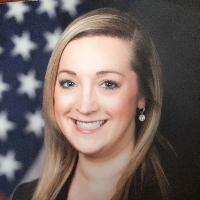
District of Columbia · 15 yrs exp
LICSW - Relationships and Family Concerns
Relationship · Family · Trauma and abuse · Self esteem · +12 more
Read profile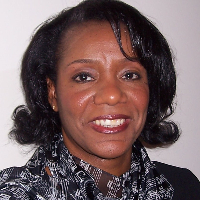
District of Columbia · 10 yrs exp
Licensed Professional Counselor - relationships and family concerns
Stress, Anxiety · Relationship · Grief · Intimacy-related issues · +9 more
Read profile
District of Columbia · 20 yrs exp
LPC - Relationships and Family concerns
Relationship · Family · Trauma and abuse · Depression · +14 more
Read profile
District of Columbia · 23 yrs exp
LICSW counselor - Family of origin and grief
Stress, Anxiety · Grief · Self esteem · Depression · +14 more
Read profile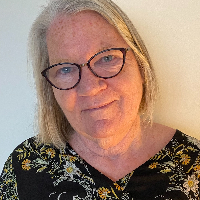
District of Columbia · 30 yrs exp
LICSW - Family and life transitions
Family · Parenting · Career · Coping with life changes · +13 more
Read profile
District of Columbia · 14 yrs exp
LPC in DC - relationships and family patterns
Stress, Anxiety · Relationship · Trauma and abuse · Anger · +10 more
Read profile
District of Columbia · 29 yrs exp
Licensed Professional Counselor - Stress and Anxiety
Stress, Anxiety · Trauma and abuse · Anger · Self esteem · +5 more
Read profile
District of Columbia · 24 yrs exp
LICSW - Family of origin and relationships
Stress, Anxiety · Relationship · Family · Trauma and abuse · +15 more
Read profile
District of Columbia · 25 yrs exp
LICSW in DC - Coping and ADHD
Coping with life changes · Coaching · ADHD
Read profile
District of Columbia · 4 yrs exp
LCSW and LICSW - family patterns and anxiety
Stress, Anxiety · Family · Grief · Self esteem · +11 more
Read profile
District of Columbia · 20 yrs exp
LICSW - Family of origin and relationships
Stress, Anxiety · Relationship · Family · Self esteem · +1 more
Read profile
District of Columbia · 10 yrs exp
LICSW in DC - Stress and Relationships
Stress, Anxiety · Relationship · Grief · Self esteem · +1 more
Read profileWhen you look for online therapy in the District of Columbia, you will encounter clinicians who offer remote sessions across a range of approaches and specializations. Online therapy typically uses video or phone sessions to create an ongoing therapeutic relationship without requiring in-person visits. Profiles in local directories often list credentials, areas of focus and the therapeutic approaches each clinician uses. Because licensing rules and telehealth practices can vary by jurisdiction, it is practical to confirm that a clinician’s licensing and practice arrangements are compatible with services for residents of the District of Columbia before beginning work together. A directory profile gives you a starting point to learn about a clinician’s background and to prepare questions for an introductory conversation.
Online therapy sessions often mirror traditional sessions in format and length but differ in logistics. You may meet with a clinician from your home, workplace during a break, or another comfortable setting. Communication can be synchronous - live video or phone - and clinicians may have systems for intake forms, consent discussions and progress check-ins conducted online. Because session logistics are part of how therapy feels for you, many people take a short initial call or message exchange to understand how a clinician conducts remote work, what tools they use for scheduling and billing, and how they approach integrating online sessions into a treatment plan.
Online therapy can offer practical advantages for people living in the District of Columbia. You can reduce travel time across the city and surrounding areas, which makes it easier to fit sessions into your workday or family schedule. If you have mobility limitations, caregiving responsibilities or live in a neighborhood with fewer nearby offices, remote sessions expand the pool of clinicians you can consider. Online therapy also increases the chance of finding a clinician who speaks your preferred language or who lists specialized approaches that resonate with your needs. For people whose schedules shift or who travel frequently, remote sessions can help maintain continuity so you do not interrupt therapeutic progress because of logistics. Many people find that the convenience of a remote session encourages consistent attendance, which can support steady work on goals over time.
Online clinicians in the District of Columbia work with a broad range of concerns that affect daily life and relationships. Many people seek help for anxiety and depression, which can show up as persistent worry, low mood or difficulty managing everyday responsibilities. Relationship challenges and family dynamics are frequent topics, including couples work and parenting support. Trauma and grief are other areas that people address in therapy, and some clinicians list trauma-focused approaches among their methods. Career and work-related stress, burnout, life transitions such as relocation or becoming a parent, and identity-related concerns tied to culture, race, gender and sexual orientation are also commonly addressed. You will also find clinicians who work with substance use, chronic illness coping and managing symptoms that interfere with concentration, motivation or sleep. When reviewing profiles, you can note whether a clinician lists cognitive behavioral therapy among their approaches, psychodynamic approaches, dialectical behavior therapy among their approaches, or whether some therapists list EMDR among their approaches. Those descriptions give you a sense of orientation rather than a guarantee of specific training, so it is useful to discuss approach and goals with a clinician to understand how they would work with the issues you bring.
Verifying a clinician’s license is a practical step that helps you confirm credentials and the official standing of a license. Start by checking the clinician’s profile for a license type and number, which many clinicians include. With that information you can use the District of Columbia’s official license lookup tools or the appropriate regulatory agency to confirm that the license is active and to review any public disciplinary records. Look for the license category that matches the clinician’s title, such as licensed clinical social worker, licensed professional counselor, psychologist or other designation used in the District of Columbia. The lookup typically shows the license status, issue and expiration dates, and any public actions. If a clinician is licensed in another jurisdiction, ask how that license relates to providing therapy for residents of the District of Columbia; some clinicians maintain multiple state licenses or use arrangements that lawfully allow them to practice across borders. If you have questions about interpreting license information or about telehealth authorization, you can contact the District of Columbia licensing board or health regulatory body directly to request guidance. Keeping a record of the verification steps you take can also be helpful if you later need to reference licensing details.
To begin, take time to read clinician profiles and note therapists who list approaches, credentials and languages that match what matters most to you. Reach out through the directory contact options or the clinician’s preferred contact method to request an initial conversation. That first exchange is a chance to ask about how they structure online sessions, what platform they use, how they handle paperwork and billing, and how they approach work on issues similar to yours. You should confirm practical details such as session length, fee range and whether they provide documentation for insurance reimbursement if that is relevant for you. Before your first meeting choose a private space where you can speak without interruption and test your internet connection and device to reduce technical disruptions. Preparing a brief summary of what brings you to therapy and what goals you hope to address can make the first session more focused and productive.
Choosing a therapist is as much about fit as it is about credentials. Think about the personal qualities that help you feel comfortable - such as a direct style or a more reflective pace - and look for language in clinician bios that suggests a similar approach. Pay attention to whether you prefer a clinician who lists specific approaches among their approaches and whether those approaches align with how you like to work. Cultural competence and language match can be especially important if you want care that respects your cultural background or communicates in your preferred language. Experience with particular populations or life situations may be relevant depending on your needs, and it is appropriate to ask clinicians about their experience with concerns like yours without expecting guarantees about outcomes. Cost and insurance considerations are practical factors to weigh; some clinicians provide out-of-network statements for reimbursement while others list common fee ranges. Finally, allow yourself the option to reassess after a few sessions. Feeling comfortable enough to give feedback, discuss goals and notice progress are key markers that a therapeutic relationship is working for you. If it does not feel like a good match, you can use what you learned to refine what you look for next.
Finding an online therapist in the District of Columbia involves a balance of logistical checks and personal impressions. By verifying credentials, asking practical questions about how remote sessions are conducted, and reflecting on how a clinician’s approach aligns with your needs, you can make an informed choice about who to work with. The directory is a starting place to explore profiles and begin that process so you can take the first step toward getting support that fits your life and goals.
Addictions
2816 therapists
ADHD
2537 therapists
Anger
3270 therapists
Control Issues
3184 therapists
Depression
4730 therapists
Grief
3904 therapists
Guilt and Shame
4477 therapists
Intimacy Issues
2756 therapists
Isolation / Loneliness
4138 therapists
Midlife Crisis
3234 therapists
Mood Disorders
3552 therapists
Panic Disorder and Panic Attacks
3064 therapists
Post-Traumatic Stress
3873 therapists
Self Esteem
4605 therapists
Social Anxiety and Phobia
3770 therapists
Stress & Anxiety
5213 therapists
Trauma and Abuse
4383 therapists
Abandonment
3334 therapists
Adoption
1809 therapists
Attachment Issues
3451 therapists
Blended Family Issues
3094 therapists
Body Image
2296 therapists
Career
3016 therapists
Caregiver Issues and Stress
3513 therapists
Codependency
3519 therapists
Commitment Issues
2871 therapists
Communication Problems
4652 therapists
Compassion Fatigue
2798 therapists
Coping with Life Changes
4418 therapists
Divorce
3680 therapists
Family
4032 therapists
Fatherhood Issues
1927 therapists
Forgiveness
4057 therapists
Infidelity
2645 therapists
Jealousy
2437 therapists
Life Purpose
4506 therapists
Money and Financial Issues
2013 therapists
Parenting
3370 therapists
Relationship
4573 therapists
Self-Love
4257 therapists
Workplace Issues
3665 therapists