
Velma Jones
LCSWNew York · 29 yrs exp
Licensed Clinical Social Worker - Family and Relationships
Stress, Anxiety · Relationship · Trauma and abuse · Depression · +10 more
Read profileUnderstanding the patterns you grew up with
Therapist listings are provided by BetterHelp. We will earn a commission at no additional cost to you if you use our links to purchase.
This page connects visitors with therapists who focus on self-love and related growth. Browse practitioner profiles to read about approaches, experience, and languages, and use the listings below to explore options that match your needs.
The selection highlights clinicians who list self-love or self-compassion among their specialties so you can begin your search with clarity and purpose.
New York · 29 yrs exp
Licensed Clinical Social Worker - Family and Relationships
Stress, Anxiety · Relationship · Trauma and abuse · Depression · +10 more
Read profile
Colorado · 19 yrs exp
LCSW - Family of origin and relationship work
Stress, Anxiety · Relationship · Trauma and abuse · Grief · +12 more
Read profile
Illinois · 19 yrs exp
Dr. Steven Hurley, IL Psychologist - Family patterns and coping
Stress, Anxiety · LGBT · Relationship · Trauma and abuse · +9 more
Read profile
Alabama · 22 yrs exp
AL LPC - Stress and family concerns
Stress, Anxiety · Trauma and abuse · Anger · Self esteem · +16 more
Read profile
South Carolina · 16 yrs exp
Licensed Marriage and Family Therapist - Relationships and Family of origin
Stress, Anxiety · Relationship · Family · Parenting · +14 more
Read profile
Texas · 13 yrs exp
LCSW focused on relationships and family patterns
Stress, Anxiety · Relationship · Trauma and abuse · Anger · +11 more
Read profile
Florida · 20 yrs exp
FL LMHC - Addiction and family patterns
Stress, Anxiety · Addictions · Relationship · Self esteem · +16 more
Read profile
Minnesota · 25 yrs exp
Licensed counselor - family of origin and trauma focus
Stress, Anxiety · Relationship · Grief · Self esteem · +9 more
Read profile
Florida · 23 yrs exp
LICSW and LCSW - LGBT and intimacy concerns
LGBT · Intimacy-related issues
Read profile
Minnesota · 14 yrs exp
LMFT - Relationships and Family of Origin Patterns
Stress, Anxiety · Relationship · Family · Trauma and abuse · +8 more
Read profile
Mississippi · 16 yrs exp
Licensed Professional Counselor - Relationships and Family
Stress, Anxiety · Relationship · Family · Parenting · +6 more
Read profile
North Carolina · 16 yrs exp
Licensed Clinical Mental Health Counselor - Relationships and Trauma
Stress, Anxiety · Relationship · Trauma and abuse · Grief · +7 more
Read profile
Kansas · 12 yrs exp
Licensed Marriage and Family Therapist - Relationships and Trauma
Stress, Anxiety · Relationship · Intimacy-related issues · Depression · +13 more
Read profile
Kentucky · 18 yrs exp
LMFT - Relationships and family of origin concerns
LGBT · Relationship · Family · Self esteem · +14 more
Read profile
Colorado · 15 yrs exp
Licensed counselor - family of origin and relationships
Stress, Anxiety · Relationship · Intimacy-related issues · Self esteem · +10 more
Read profile
Louisiana · 7 yrs exp
Dr. Tanya Harrell - LPC, family and anxiety focus
Stress, Anxiety · Family · Trauma and abuse · Parenting · +15 more
Read profile
Florida · 25 yrs exp
Florida LMHC - family of origin and trauma focus
Relationship · Trauma and abuse · Grief · Anger · +12 more
Read profile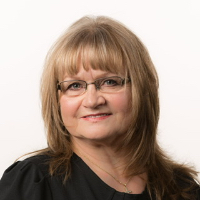
Texas · 15 yrs exp
LPC in Texas - family of origin and mood concerns
Addictions · Relationship · Trauma and abuse · Grief · +13 more
Read profile
Florida · 7 yrs exp
Licensed counselor - family origins and addiction
Addictions · Relationship · Family · Trauma and abuse · +13 more
Read profile
Texas · 12 yrs exp
LMFT - relationships and family of origin concerns
Stress, Anxiety · Addictions · Relationship · Grief · +11 more
Read profile
Florida · 26 yrs exp
LMHC - Relationship and life changes
Relationship · Grief · Self esteem · Depression · +13 more
Read profile
North Carolina · 10 yrs exp
LCSW in North Carolina - Family and Relationships
Stress, Anxiety · Relationship · Family · Bipolar · +16 more
Read profile
Texas · 17 yrs exp
LPC in Texas - family and anxiety concerns
Stress, Anxiety · Family · Depression · Coping with life changes · +12 more
Read profile
Oregon · 14 yrs exp
Licensed Professional Counselor - Mood and family roots
Grief · Self esteem · Career · Depression · +8 more
Read profile
New York · 35 yrs exp
Licensed Clinical Social Worker - Family patterns and coping
Stress, Anxiety · Self esteem · Career · ADHD · +10 more
Read profile
Louisiana · 10 yrs exp
Licensed counselor - family of origin and relationships
Stress, Anxiety · Relationship · Family · Depression · +12 more
Read profile
Oregon · 32 yrs exp
LMFT focused on relationships and family patterns
Stress, Anxiety · Relationship · Trauma and abuse · Grief · +9 more
Read profile
Texas · 10 yrs exp
LPC in Texas - Family and relationship concerns
Stress, Anxiety · Relationship · Family · Depression · +14 more
Read profile
Wisconsin · 8 yrs exp
Licensed Professional Counselor - Relationships and Family Issues
Relationship · Intimacy-related issues · Coping with life changes · Stress, Anxiety · +8 more
Read profile
Texas · 11 yrs exp
Licensed Professional Counselor - relationships and family issues
Stress, Anxiety · Relationship · Family · Parenting · +9 more
Read profileSelf-love is a lived experience more than a single feeling. It includes how you treat yourself in moments of stress, how you interpret mistakes, and how you relate to your own needs and boundaries. When self-love is limited, you might notice patterns of harsh self-judgment, people-pleasing, or avoidance of situations that could nourish your growth. Conversely, when you cultivate more self-compassion and acceptance, day-to-day life often feels steadier and you may approach challenges with greater curiosity rather than automatic shame.
Self-love also interacts with many areas of life. It can shape your relationships, work choices, and how you respond to feedback. Cultural background, family messages, and personal history all influence how easily you can practice self-kindness. For some people, self-love feels like learning a new skill - one that requires practice, patience, and opportunities to test different ways of being. Therapy focused on self-love offers a place to slow down, notice unhelpful patterns, and build new responses that feel more aligned with your values.
You may consider therapy for self-love if you frequently criticize yourself, struggle to accept compliments, or feel driven to meet others expectations at the expense of your own needs. Emotional patterns such as chronic guilt, persistent low self-worth, or a tendency to minimize your achievements are common reasons people seek support. You might also notice avoidance behaviors - putting off activities that could make you feel good because you doubt your worthiness of joy or success.
Other signs include difficulty setting or keeping boundaries, repeating relationship dynamics that leave you depleted, or feeling disconnected from your own preferences and values. Therapy can be helpful if you notice a gap between your intentions and your actions - for example, when you aim to care for yourself but find old patterns pulling you back. Reaching out for focused work on self-love can give you tools to gradually shift those patterns and to practice new ways of relating to yourself in daily life.
When you pursue therapy for self-love, expect sessions that combine exploration and practice. Early meetings often involve creating a shared understanding of your history, current challenges, and what you want to change. This helps you and a therapist identify recurring beliefs and behaviors that undermine your sense of worth. From there, sessions typically balance reflection on past influences with concrete strategies you can try between sessions.
Therapy for self-love often emphasizes experiential work - learning to notice inner voices and responses without immediately reacting. You will likely practice skills such as self-compassion exercises, reframing thoughts that foster harsh judgment, and concrete behavioral experiments that challenge avoidance. Progress is rarely linear. You may take two steps forward and one step back, and that is part of the process. Over time, many people report greater self-awareness, more balanced self-talk, and an increased ability to act in ways that align with their values.
Therapists use a range of approaches when working on self-love, and you can find clinicians who list different methods among their approaches depending on their orientation. Cognitive-behavioral approaches are often used to identify and modify self-critical thoughts and to introduce behavioral experiments that test new beliefs about yourself. Compassion-focused techniques are commonly offered by therapists who list compassion-focused work among their approaches; these emphasize cultivating warmth and kindness toward yourself as a way to reduce shame.
Mindfulness-based approaches are used by therapists who list mindfulness or acceptance-based practices among their approaches and they help you develop a nonjudgmental awareness of inner experience. Narrative approaches, described by therapists who list narrative therapy among their approaches, invite you to examine and rewrite the stories you tell about yourself. Some clinicians mention somatic or body-oriented approaches among their approaches to help you notice how self-judgment and self-kindness are held in the body. Internal family systems or parts work may be listed by therapists who describe internal systems among their approaches, and these approaches help you relate differently to inner parts that criticize or protect you.
When you read profiles, look for language that aligns with how you prefer to work - whether that is skill-building, introspective narrative work, body awareness, or guided practices in self-compassion. Because listing an approach does not guarantee a specific credential, focus on whether the therapist’s described style and language resonate with you.
Online therapy can offer flexibility and access to clinicians who list self-love among their specialties regardless of your location. Sessions typically take place via video, phone, or messaging formats, and many clients find that meeting from home makes it easier to integrate practices between sessions. In online work you can still engage in experiential exercises, guided mindfulness practices, and reflective dialogue that targets self-critical patterns. If you prefer recordings or written exercises to reinforce learning, many therapists provide supplemental materials or homework exercises to support ongoing practice.
Keep in mind that the therapeutic relationship remains central online. You will want a clinician whose communication style helps you feel understood and motivated to try new approaches. Because technical conditions can influence the experience, consider the practicalities you prefer - such as video quality, session length, and how you like to receive follow-up resources - and look for profiles that describe those preferences.
Choosing a therapist is a personal process. Start by reading profiles to find clinicians who specifically mention self-love, self-compassion, or related themes among their areas of focus. Notice language that reflects a person-centered approach if you value gentleness, or look for descriptions of cognitive and behavioral strategies if you want structured skill-building. Pay attention to experience with populations or cultural backgrounds similar to yours and to the languages listed, as shared cultural context can shape how self-love is discussed.
Think about practical fit as well - whether you prefer a therapist who leans toward direct skill teaching or one who offers exploratory reflection. It is also useful to note how a therapist describes early sessions and goals, which can give you a sense of the pace and structure to expect. When you find profiles that resonate, you can use that information to reach out and ask questions about their approach to self-love work and the types of exercises they commonly use. Finding a good match can help you feel more engaged in the therapeutic work and more likely to try new practices that support lasting change.
With intentional searching and a bit of patience you can find a clinician whose approach aligns with how you want to grow. Self-love does not emerge overnight, but with consistent attention, practice, and supportive guidance you can develop kinder ways of relating to yourself that influence many areas of life.
Alabama
77 therapists
Alaska
12 therapists
Arizona
80 therapists
Arkansas
49 therapists
Australia
180 therapists
California
472 therapists
Colorado
138 therapists
Connecticut
47 therapists
Delaware
10 therapists
District of Columbia
14 therapists
Florida
591 therapists
Georgia
148 therapists
Hawaii
17 therapists
Idaho
44 therapists
Illinois
193 therapists
Indiana
100 therapists
Iowa
30 therapists
Kansas
42 therapists
Kentucky
80 therapists
Louisiana
120 therapists
Maine
14 therapists
Maryland
64 therapists
Massachusetts
59 therapists
Michigan
185 therapists
Minnesota
92 therapists
Mississippi
49 therapists
Missouri
167 therapists
Montana
34 therapists
Nebraska
32 therapists
Nevada
27 therapists
New Hampshire
17 therapists
New Jersey
115 therapists
New Mexico
39 therapists
New York
227 therapists
North Carolina
221 therapists
North Dakota
3 therapists
Ohio
143 therapists
Oklahoma
98 therapists
Oregon
51 therapists
Pennsylvania
188 therapists
Rhode Island
11 therapists
South Carolina
119 therapists
South Dakota
11 therapists
Tennessee
104 therapists
Texas
593 therapists
Utah
56 therapists
Vermont
12 therapists
Virginia
93 therapists
Washington
89 therapists
West Virginia
21 therapists
Wisconsin
102 therapists
Wyoming
12 therapists