
Grace Baman
LPCOregon · 14 yrs exp
Licensed Professional Counselor - Mood and family roots
Grief · Self esteem · Career · Depression · +8 more
Read profileUnderstanding the patterns you grew up with
Therapist listings are provided by BetterHelp. We will earn a commission at no additional cost to you if you use our links to purchase.
Welcome - if you are searching for online therapists who serve Oregon, this directory highlights licensed professionals across the state. All listed therapists are licensed, and you can explore profiles to review approaches, focus areas, credentials and languages to find a good match.
Oregon · 14 yrs exp
Licensed Professional Counselor - Mood and family roots
Grief · Self esteem · Career · Depression · +8 more
Read profile
Oregon · 32 yrs exp
LMFT focused on relationships and family patterns
Stress, Anxiety · Relationship · Trauma and abuse · Grief · +9 more
Read profile
Oregon · 17 yrs exp
LMFT - Stress and family of origin issues
Stress, Anxiety · Trauma and abuse · Grief · Intimacy-related issues · +1 more
Read profile
Oregon · 7 yrs exp
Licensed Professional Counselor - family patterns and addiction
Stress, Anxiety · Addictions · Trauma and abuse · Grief · +10 more
Read profile
Oregon · 20 yrs exp
LMFT in Oregon - addictions and family patterns
Stress, Anxiety · Addictions · LGBT · Eating · +1 more
Read profile
Oregon · 17 yrs exp
LMFT - Relationships and Family of Origin
LGBT · Relationship · Family · Parenting · +10 more
Read profile
Oregon · 16 yrs exp
Oregon LPC - family and mood concerns
Addictions · Trauma and abuse · Parenting · Self esteem · +16 more
Read profile
Oregon · 12 yrs exp
LCSW - Family of origin and relationship concerns
Stress, Anxiety · Relationship · Grief · Depression · +16 more
Read profile
Oregon · 22 yrs exp
LPC and LPCC - Family and relationship concerns
Stress, Anxiety · Addictions · Trauma and abuse · Depression · +10 more
Read profile
Oregon · 9 yrs exp
LCSW helping adults with family and life changes
Stress, Anxiety · Trauma and abuse · Grief · Self esteem · +10 more
Read profile
Oregon · 25 yrs exp
Licensed Clinical Social Worker - Family and relationship concerns
Stress, Anxiety · Trauma and abuse · Eating · Self esteem · +15 more
Read profile
Oregon · 18 yrs exp
Licensed clinical social worker - relationships and life transitions
Stress, Anxiety · Relationship · Career · Depression · +7 more
Read profile
Oregon · 10 yrs exp
LCSW focusing on family patterns and coping
Stress, Anxiety · Grief · Self esteem · Depression · +10 more
Read profile
Oregon · 12 yrs exp
Licensed clinical social worker - trauma and family patterns
Stress, Anxiety · Trauma and abuse · Grief · Self esteem · +11 more
Read profile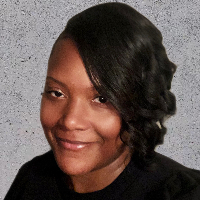
Oregon · 9 yrs exp
Licensed counselor - family and anxiety focus
Stress, Anxiety · Trauma and abuse · Depression · Relationship · +10 more
Read profile
Oregon · 24 yrs exp
Licensed Clinical Social Worker - family patterns and relationships
Stress, Anxiety · Relationship · Grief · Depression · +6 more
Read profile
Oregon · 22 yrs exp
LCSW - anxiety and family patterns
Stress, Anxiety · Relationship · Family · Self esteem · +12 more
Read profile
Oregon · 28 yrs exp
Licensed Professional Counselor - Relationships and Family
Stress, Anxiety · Relationship · Family · Parenting · +11 more
Read profile
Oregon · 24 yrs exp
LCSW - Relationships and family of origin issues
Stress, Anxiety · Relationship · Trauma and abuse · Grief · +4 more
Read profile
Oregon · 30 yrs exp
Oregon psychologist - family of origin and mood concerns
Stress, Anxiety · LGBT · Relationship · Anger · +13 more
Read profile
Oregon · 20 yrs exp
LCSW focusing on anxiety and relationships
Stress, Anxiety · Relationship · Trauma and abuse · Grief · +1 more
Read profile
Oregon · 30 yrs exp
LCSW - Stress and Grief focus
Stress, Anxiety · Grief · Self esteem · Coping with life changes · +10 more
Read profile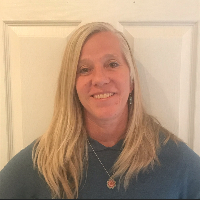
Oregon · 17 yrs exp
LCSW working with family and relationship patterns
Stress, Anxiety · Grief · Bipolar · Depression · +12 more
Read profile
Oregon · 20 yrs exp
Licensed Clinical Social Worker - Stress and Relationships
Stress, Anxiety · Trauma and abuse · Grief · Self esteem · +13 more
Read profile
Oregon · 10 yrs exp
Licensed Marriage and Family Therapist - family patterns and relationships
Stress, Anxiety · Addictions · Family · Trauma and abuse · +9 more
Read profile
Oregon · 15 yrs exp
LCSW - Mood and family of origin concerns
Stress, Anxiety · Grief · Anger · Self esteem · +11 more
Read profile
Oregon · 17 yrs exp
Licensed Clinical Social Worker - family patterns and mood concerns
Stress, Anxiety · Relationship · Trauma and abuse · Parenting · +14 more
Read profile
Oregon · 20 yrs exp
Licensed clinical social worker - relationships and addiction
Stress, Anxiety · Addictions · Trauma and abuse · Self esteem · +14 more
Read profile
Oregon · 30 yrs exp
Oregon LCSW - family and relationship concerns
Stress, Anxiety · Addictions · Trauma and abuse · Depression · +13 more
Read profile
Oregon · 7 yrs exp
Oregon psychologist - family and identity concerns
LGBT · Family · Grief · Depression · +9 more
Read profileIn recent years more therapists in Oregon have offered remote services to reach people across cities, small towns and rural areas. Online therapy can be provided by clinicians who hold Oregon licenses and who identify telehealth or online formats in their profiles. Your search will turn up therapists with a range of credential types - for example licensed counselors, marriage and family therapists, social workers and psychologists - each with different training and scopes of practice. Because licensing is handled by state boards, only professionals licensed to practice in Oregon should represent themselves as Oregon providers for clinical work with Oregon residents. Many therapists list the populations they work with, such as adolescents, adults, couples or families, and describe the settings they commonly support. When you look through listings, you will see a mix of clinical orientations and specialties; those descriptions are drawn from therapist profiles and reflect what each clinician lists as their focus rather than independent verification of training in any particular method.
Online therapy offers practical benefits that may fit different life rhythms and geographic realities in Oregon. If you live in an area with limited in-person mental health options, remote care can expand the number of therapists you can consider without the need to travel. For people with mobility limits, demanding work schedules or caregiving responsibilities, online sessions can be easier to fit into a weekly routine. Online formats may also allow you to connect with clinicians who speak your preferred language or who describe experience with specific life situations. Many people find that being able to meet from home - or another quiet location - reduces time spent commuting and helps maintain consistent attendance. You should keep in mind that the quality of an online session depends on a reliable internet connection, a device with audio and video capabilities when needed, and a setting where you can speak freely. Finding a clinician whose communication style and approach match your needs is often more important than the particular delivery method.
Therapists who offer online care address a broad range of emotional and relational concerns. You will find clinicians who list depression, anxiety, stress management, grief, life transitions and relationship challenges among their areas of focus. Some therapists note experience supporting people coping with work-related stress, parenting concerns, or the effects of trauma. If you are looking for approaches, many profiles reference modalities such as cognitive behavioral approaches, mindfulness-based work, psychodynamic perspectives, family systems thinking and somatic-inflected methods. You may also encounter therapists who list EMDR among their approaches; when you see such language it reflects what the therapist includes in their profile rather than a statement about credentialing in that method. Because online formats can be adapted to individual goals, therapists often work with clients on emotion regulation, communication skills, problem solving and building routines that support well-being. If you have a complex medical or psychiatric concern, you can use listings to find clinicians who describe relevant experience and then ask specific questions about how they approach care and coordinate with other providers.
Verifying a therapist's license is an important step when you are evaluating online clinicians. Start by locating the license number or the exact professional name on a therapist profile. Oregon licenses are issued by state regulatory boards, and most boards maintain an online license lookup where you can confirm the status, expiration date and any public discipline history associated with a license. When you use the lookup tool, search by the provider's name or license number and review the license type to understand the scope of practice - whether the clinician is licensed as a counselor, social worker, marriage and family therapist or psychologist. If the online lookup raises questions or you prefer to speak with a board representative, contact information is usually available on the board website and staff can explain how to interpret the record. Keep in mind that therapists sometimes hold licenses in multiple states; if you plan to receive services while physically present in Oregon, confirming an Oregon license ensures the clinician is authorized to provide services to Oregon residents. Documentation such as a license number, degree information and professional contact details on a profile can help you feel informed before making first contact.
Getting started with online therapy begins with clarifying what you hope to work on and what matters most in a therapeutic relationship. Think about the issues you want to address, whether you prefer a clinician who emphasizes practical skills, exploration of past experiences, relational work, or a blend of approaches. Use therapist profiles to note credentials, areas of focus, language options and populations served. When you reach out, many therapists offer an initial phone or email conversation to answer basic questions about their approach, session structure, fees and how they handle paperwork and consent for telehealth. This initial contact can help you assess communication style and whether the clinician's explanations feel comfortable and respectful. Practical tips include reading a therapist's profile for specific mentions of experience with diagnoses or life circumstances similar to yours, noting whether they list particular approaches and remembering that the phrase "therapists who list EMDR among their approaches" means the method appears in their profile rather than guaranteeing a credential. Ask about session length, typical goals, methods of note-taking and how they coordinate care when other providers are involved. Also think about language needs; if you prefer to speak in a language other than English, look for therapists who list that language on their profile.
When you prepare for your first online session, choose a quiet, private space where you can talk without interruptions and have any necessary devices charged and updated. Make a short list of priorities you want to address and any questions about the clinician's way of working. If you encounter technical or accessibility needs, mention them early so you and the clinician can agree on an approach that fits your situation. Over the first few sessions you will get a sense of whether the therapeutic relationship is working for you. If it is not, it is reasonable to try a different therapist until you find a better match; many people adjust clinicians before settling into a longer therapeutic process. By taking time to verify credentials, understand approaches and communicate your goals, you increase the chances of finding online care in Oregon that fits your life and supports your next steps.
Addictions
2816 therapists
ADHD
2537 therapists
Anger
3270 therapists
Control Issues
3184 therapists
Depression
4730 therapists
Grief
3904 therapists
Guilt and Shame
4477 therapists
Intimacy Issues
2756 therapists
Isolation / Loneliness
4138 therapists
Midlife Crisis
3234 therapists
Mood Disorders
3552 therapists
Panic Disorder and Panic Attacks
3064 therapists
Post-Traumatic Stress
3873 therapists
Self Esteem
4605 therapists
Social Anxiety and Phobia
3770 therapists
Stress & Anxiety
5213 therapists
Trauma and Abuse
4383 therapists
Abandonment
3334 therapists
Adoption
1809 therapists
Attachment Issues
3451 therapists
Blended Family Issues
3094 therapists
Body Image
2296 therapists
Career
3016 therapists
Caregiver Issues and Stress
3513 therapists
Codependency
3519 therapists
Commitment Issues
2871 therapists
Communication Problems
4652 therapists
Compassion Fatigue
2798 therapists
Coping with Life Changes
4418 therapists
Divorce
3680 therapists
Family
4032 therapists
Fatherhood Issues
1927 therapists
Forgiveness
4057 therapists
Infidelity
2645 therapists
Jealousy
2437 therapists
Life Purpose
4506 therapists
Money and Financial Issues
2013 therapists
Parenting
3370 therapists
Relationship
4573 therapists
Self-Love
4257 therapists
Workplace Issues
3665 therapists