
Kelley Sullivan
LCSWColorado · 19 yrs exp
LCSW - Family of origin and relationship work
Stress, Anxiety · Relationship · Trauma and abuse · Grief · +12 more
Read profileUnderstanding the patterns you grew up with
Therapist listings are provided by BetterHelp. We will earn a commission at no additional cost to you if you use our links to purchase.
This page lists clinicians who focus on a range of men's issues, including relationship challenges, identity and emotional regulation. Browse the profiles below to review focus areas, approaches, languages and professional credentials.
Use the grid to learn how different therapists describe their work and to connect with someone whose background aligns with what you want to address.
Colorado · 19 yrs exp
LCSW - Family of origin and relationship work
Stress, Anxiety · Relationship · Trauma and abuse · Grief · +12 more
Read profile
Illinois · 19 yrs exp
Dr. Steven Hurley, IL Psychologist - Family patterns and coping
Stress, Anxiety · LGBT · Relationship · Trauma and abuse · +9 more
Read profile
Alabama · 22 yrs exp
AL LPC - Stress and family concerns
Stress, Anxiety · Trauma and abuse · Anger · Self esteem · +16 more
Read profile
South Carolina · 16 yrs exp
Licensed Marriage and Family Therapist - Relationships and Family of origin
Stress, Anxiety · Relationship · Family · Parenting · +14 more
Read profile
Florida · 23 yrs exp
LICSW and LCSW - LGBT and intimacy concerns
LGBT · Intimacy-related issues
Read profile
Florida · 26 yrs exp
LMHC - Relationship and life changes
Relationship · Grief · Self esteem · Depression · +13 more
Read profile
North Carolina · 10 yrs exp
LCSW in North Carolina - Family and Relationships
Stress, Anxiety · Relationship · Family · Bipolar · +16 more
Read profile
Wisconsin · 8 yrs exp
Licensed Professional Counselor - Relationships and Family Issues
Relationship · Intimacy-related issues · Coping with life changes · Stress, Anxiety · +8 more
Read profile
Texas · 11 yrs exp
Licensed Professional Counselor - relationships and family issues
Stress, Anxiety · Relationship · Family · Parenting · +9 more
Read profile
Illinois · 10 yrs exp
Illinois LCPC - Family and relationship concerns
Stress, Anxiety · LGBT · Relationship · Trauma and abuse · +10 more
Read profile
Florida · 14 yrs exp
LMHC - Family patterns and relationships
Stress, Anxiety · Trauma and abuse · Bipolar · Depression · +16 more
Read profile
Missouri · 14 yrs exp
LPC counselor - family of origin concerns
Stress, Anxiety · Self esteem · Career · Depression · +13 more
Read profile
Kentucky · 11 yrs exp
Licensed Marriage and Family Therapist - relationships and family concerns
Stress, Anxiety · Relationship · Family · Self esteem · +9 more
Read profile
Louisiana · 20 yrs exp
Licensed counselor and marriage therapist - Family of origin and mood concerns
Stress, Anxiety · Addictions · Eating · Depression · +14 more
Read profile
Texas · 23 yrs exp
Licensed Professional Counselor - Family and relationships
Stress, Anxiety · Relationship · Self esteem · Career · +11 more
Read profile
Arizona · 22 yrs exp
Licensed Professional Counselor - relationships and anxiety
Stress, Anxiety · Relationship · Family · Grief · +16 more
Read profile
Texas · 33 yrs exp
LCSW - Relationships and Family Concerns
Stress, Anxiety · Relationship · Family · Self esteem · +11 more
Read profile
Georgia · 3 yrs exp
Licensed Professional Counselor - Family patterns and relationships
Stress, Anxiety · Relationship · Family · Intimacy-related issues · +6 more
Read profile
Ohio · 17 yrs exp
LISW in Ohio - family and anxiety focus
Stress, Anxiety · Family · Parenting · Depression · +12 more
Read profile
New York · 15 yrs exp
LCSW in New York - Family of origin and addiction focus
Stress, Anxiety · Addictions · Relationship · Self esteem · +10 more
Read profile
Kansas · 17 yrs exp
Licensed Clinical Professional Counselor - Family of origin concerns
Stress, Anxiety · Relationship · Family · Anger · +10 more
Read profile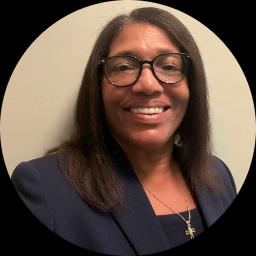
Mississippi · 36 yrs exp
LCSW - Family and life transitions
Family · Parenting · Anger · Self esteem · +11 more
Read profile
Oklahoma · 20 yrs exp
Licensed Professional Counselor - Family issues and addiction
Stress, Anxiety · Addictions · Trauma and abuse · Anger · +8 more
Read profile
New York · 25 yrs exp
LCSW in New York - Stress and Relationship Patterns
Stress, Anxiety · Grief · Anger · Self esteem · +6 more
Read profile
New Jersey · 10 yrs exp
Licensed counselor - family patterns and relationships
Stress, Anxiety · Relationship · Family · Parenting · +4 more
Read profile
Texas · 26 yrs exp
Licensed Professional Counselor - Relationships and Anxiety
Stress, Anxiety · Relationship · Trauma and abuse · Grief · +11 more
Read profile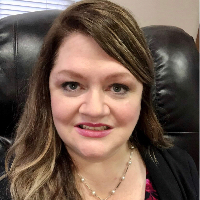
Georgia · 27 yrs exp
LPC in Georgia - family of origin and anxiety
Stress, Anxiety · Trauma and abuse · Bipolar · Depression · +16 more
Read profile
Texas · 19 yrs exp
LPC counselor - family and relationship concerns
Stress, Anxiety · Relationship · Family · Trauma and abuse · +12 more
Read profile
Kentucky · 8 yrs exp
Licensed Clinical Social Worker - family of origin and relationships
Stress, Anxiety · Relationship · Family · Trauma and abuse · +5 more
Read profile
New York · 25 yrs exp
LCSW in New York - family and relationship concerns
Stress, Anxiety · Relationship · Family · Trauma and abuse · +15 more
Read profileMen's issues cover a broad set of concerns that often intersect with social expectations about gender, lifecycle transitions and personal history. For some men these issues involve trouble expressing emotion, persistent stress related to work or provider roles, or difficulties in intimate relationships. For others the concerns may center on identity - including how you experience masculinity, sexual identity, or cultural responsibilities - or on behaviors like anger, substance use, or avoidance of help. Because societal norms shape how men learn to cope, the patterns you notice in your own life may include shutting down emotionally, pushing others away, taking excessive responsibility, or relying on risky habits to manage pain.
While experiences vary, these themes often show up as loneliness, irritability, fatigue and a sense that something important is stuck. You may find that problems that started in one area - for example, stress at work - spill over into your home life, or that past experiences keep reappearing in ways that make it hard to form the kind of relationships you want. Therapy for men's issues focuses on the lived experience of being a man in your context and seeks to help you identify patterns, expand choices and develop ways to live that fit your values and goals.
Knowing when to reach out can be hard, particularly if you were taught to handle problems on your own. Common signs that therapy could be helpful include feeling chronically overwhelmed, having repeated conflicts with partners or family, noticing increased aggression or withdrawal, or recognizing that coping strategies are causing harm to yourself or others. You might also find that major life transitions - a breakup, becoming a parent, job changes or grief - bring up questions about identity and purpose that feel too large to manage by yourself.
Other indicators are changes in sleep, appetite or concentration, or a decline in enjoyment of activities you once valued. If emotions feel numb or you catch yourself avoiding situations that matter, therapy can offer a place to explore why those patterns formed and how to shift them. Therapy is not only for crisis moments; it can also be a resource for building communication skills, exploring masculinity in healthy ways, and learning to relate to others with greater authenticity.
When you begin work with a therapist on men's issues, early sessions typically focus on building a working relationship and mapping the experiences you want to address. A therapist will invite you to describe the patterns that brought you here - whether that is recurring conflict, questions around identity, or difficulty managing anger - and to identify short- and longer-term goals. Sessions tend to be collaborative, with the clinician asking about your history, daily life and the ways you already try to cope.
Over time you and your therapist may explore how beliefs about masculinity, family messages and past experiences shape current behavior. Therapy can include learning practical skills - such as emotion regulation, communication techniques and strategies for reducing risky behaviors - alongside deeper exploration of values, identity and relational patterns. Many people appreciate that sessions offer a space to practice new ways of relating and to receive feedback on changes you are experimenting with in real life. The pace and focus will depend on what feels most relevant to you, and you can expect the work to alternate between practical skill-building and reflective discovery.
Therapists use a variety of approaches when working with men's issues, and different methods suit different goals and personalities. Some clinicians describe a psychodynamic or relational orientation that looks at how early relationships influence present patterns, while others emphasize skills-based models that focus on changing thoughts and behaviors to reduce symptoms. There are therapists who list cognitive-behavioral approaches among their methods, which often emphasize practical strategies for managing anxiety, depression and anger. You may also find clinicians who list emotion-focused approaches, which prioritize recognizing and processing feelings that have been avoided.
In addition to these, some therapists mention body-oriented or somatic approaches, which pay attention to how stress and trauma are held in the body, and there are clinicians who list narrative or meaning-centered work that helps you reframe life stories and identity. If specific techniques interest you, look for profiles that state those techniques rather than assuming formal credentialing. For example, you might read that a therapist lists EMDR among their approaches or that they work with acceptance and commitment strategies; these listings indicate what the clinician describes as part of their practice, which can help you find someone whose methods align with what you want to try.
Online therapy allows you to meet with a clinician via video, phone or messaging in ways that can fit your schedule and comfort level. Sessions usually follow a similar structure to in-person work - you and the therapist agree on goals, meet regularly and use the time to explore concerns and practice new skills. Online formats can make it easier to work around geographic constraints, childcare or work demands, and they allow you to continue therapy when travel or relocation occurs. If you prefer a quieter setting, video sessions let you attend from a comfortable environment at home or another place you choose.
When you evaluate profiles, focus on the fit between your needs and the therapist's stated focus areas and approaches. Look for clinicians who explicitly list experience with relationship concerns, anger management, identity exploration or whatever matters most to you. Consider languages spoken, the populations they highlight - such as working with fathers, veterans, LGBTQ+ men or men from specific cultural backgrounds - and the therapeutic approaches they mention. Remember that a therapist's description of their methods is a guide to how they work; profiles that state what the clinician emphasizes can help you decide who to contact.
It can be useful to think about the qualities you want in a therapist as well - whether you prefer someone more directive who offers concrete tools, or someone who focuses on reflective exploration. You might prioritize shared background or cultural competence, or you may prefer a clinician who confronts patterns directly. Once you make contact, an initial conversation can help you assess whether the therapist's style feels like a match for your communication and goals. Choosing a therapist is a personal decision, and taking the time to find someone whose focus and approach resonate with you increases the chances that the work will feel meaningful and useful.
Alabama
77 therapists
Alaska
12 therapists
Arizona
80 therapists
Arkansas
49 therapists
Australia
180 therapists
California
472 therapists
Colorado
138 therapists
Connecticut
47 therapists
Delaware
10 therapists
District of Columbia
14 therapists
Florida
591 therapists
Georgia
148 therapists
Hawaii
17 therapists
Idaho
44 therapists
Illinois
193 therapists
Indiana
100 therapists
Iowa
30 therapists
Kansas
42 therapists
Kentucky
80 therapists
Louisiana
120 therapists
Maine
14 therapists
Maryland
64 therapists
Massachusetts
59 therapists
Michigan
185 therapists
Minnesota
92 therapists
Mississippi
49 therapists
Missouri
167 therapists
Montana
34 therapists
Nebraska
32 therapists
Nevada
27 therapists
New Hampshire
17 therapists
New Jersey
115 therapists
New Mexico
39 therapists
New York
227 therapists
North Carolina
221 therapists
North Dakota
3 therapists
Ohio
143 therapists
Oklahoma
98 therapists
Oregon
51 therapists
Pennsylvania
188 therapists
Rhode Island
11 therapists
South Carolina
119 therapists
South Dakota
11 therapists
Tennessee
104 therapists
Texas
593 therapists
Utah
56 therapists
Vermont
12 therapists
Virginia
93 therapists
Washington
89 therapists
West Virginia
21 therapists
Wisconsin
102 therapists
Wyoming
12 therapists