
Dr. Christina Collins
LCMHCNorth Carolina · 16 yrs exp
Licensed Clinical Mental Health Counselor - Relationships and Trauma
Stress, Anxiety · Relationship · Trauma and abuse · Grief · +7 more
Read profileUnderstanding the patterns you grew up with
Therapist listings are provided by BetterHelp. We will earn a commission at no additional cost to you if you use our links to purchase.
Welcome if you are looking for online therapy options for residents of North Carolina. All therapists listed on this page are licensed to practice in North Carolina; explore listings to review credentials, approaches, focus areas, and languages.
North Carolina · 16 yrs exp
Licensed Clinical Mental Health Counselor - Relationships and Trauma
Stress, Anxiety · Relationship · Trauma and abuse · Grief · +7 more
Read profile
North Carolina · 10 yrs exp
LCSW in North Carolina - Family and Relationships
Stress, Anxiety · Relationship · Family · Bipolar · +16 more
Read profile
North Carolina · 13 yrs exp
LCSW - family of origin and relationships
Stress, Anxiety · Relationship · Family · Self esteem · +13 more
Read profile
North Carolina · 30 yrs exp
Licensed counselor - stress and trauma
Stress, Anxiety · Addictions · LGBT · Trauma and abuse · +1 more
Read profile
North Carolina · 27 yrs exp
Licensed counselor - family of origin and relationships
Stress, Anxiety · Self esteem · Coping with life changes · Relationship · +7 more
Read profile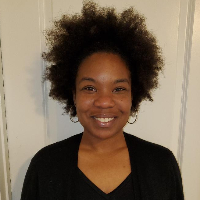
North Carolina · 15 yrs exp
Dr. Lakisha Ellison, LCSW - Family and relationship concerns
LGBT · Relationship · Family · Parenting · +7 more
Read profile
North Carolina · 5 yrs exp
LCMHC in North Carolina - Family and Anxiety focus
Stress, Anxiety · Family · Trauma and abuse · Depression · +15 more
Read profile
North Carolina · 22 yrs exp
LMFT - Relationships and Family of Origin Issues
Stress, Anxiety · Addictions · Relationship · Family · +2 more
Read profile
North Carolina · 7 yrs exp
Licensed Marriage and Family Therapist - Relationships and Family
Relationship · Family · Intimacy-related issues · Parenting · +7 more
Read profile
North Carolina · 24 yrs exp
Licensed Clinical Social Worker - Family and Trauma concerns
Stress, Anxiety · Relationship · Family · Trauma and abuse · +14 more
Read profile
North Carolina · 6 yrs exp
Licensed counselor - relationships and family patterns
Stress, Anxiety · Relationship · Parenting · Self esteem · +7 more
Read profile
North Carolina · 5 yrs exp
LCMHC - Relationships and Family Patterns
Relationship · Grief · Eating · Anger · +12 more
Read profile
North Carolina · 20 yrs exp
LCSW in North Carolina - Family and communication concerns
Stress, Anxiety · Addictions · Trauma and abuse · Grief · +11 more
Read profile
North Carolina · 12 yrs exp
LCSW - Relationships and Family Concerns
Relationship · Family · Career · Coping with life changes · +9 more
Read profile
North Carolina · 5 yrs exp
LCMHC in North Carolina - Anxiety and Trauma care
Stress, Anxiety · Trauma and abuse · Self esteem · Depression
Read profile
North Carolina · 17 yrs exp
LCMHC - Family and mood concerns
Family · Trauma and abuse · Depression · Stress, Anxiety · +11 more
Read profile
North Carolina · 10 yrs exp
Licensed Clinical Social Worker - Family and Stress
Stress, Anxiety · Family · Grief · Parenting · +10 more
Read profile
North Carolina · 15 yrs exp
Licensed Clinical Social Worker - Family patterns and coping
Stress, Anxiety · Addictions · Relationship · Trauma and abuse · +10 more
Read profile
North Carolina · 13 yrs exp
Licensed social worker - Family and relationship concerns
Stress, Anxiety · Addictions · Grief · Anger · +11 more
Read profile
North Carolina · 35 yrs exp
LCSW focusing on family patterns and relationships
Stress, Anxiety · Relationship · Trauma and abuse · Self esteem · +7 more
Read profile
North Carolina · 36 yrs exp
LCSW focusing on anxiety and addictions
Stress, Anxiety · Addictions · Relationship · Trauma and abuse · +1 more
Read profile
North Carolina · 11 yrs exp
Licensed Clinical Mental Health Counselor - Relationships and Anxiety
Stress, Anxiety · Relationship · Trauma and abuse · Self esteem · +1 more
Read profile
North Carolina · 15 yrs exp
LCSW in North Carolina - Anxiety and life changes
Stress, Anxiety · Grief · Depression · Coping with life changes · +1 more
Read profile
North Carolina · 25 yrs exp
LCMHC - Stress and Addictions focus
Stress, Anxiety · Addictions · Parenting · Self esteem · +1 more
Read profile
North Carolina · 22 yrs exp
LCMHC in North Carolina - Relationships and Mood
Stress, Anxiety · Relationship · Grief · Self esteem · +1 more
Read profile
North Carolina · 15 yrs exp
Licensed Clinical Social Worker - stress and relationships
Stress, Anxiety · Relationship · Trauma and abuse · Self esteem · +1 more
Read profile
North Carolina · 25 yrs exp
LCSW - Family of origin and trauma work
Stress, Anxiety · Relationship · Trauma and abuse · Self esteem · +9 more
Read profile
North Carolina · 25 yrs exp
LMFT in North Carolina - Relationships and Family of origin issues
Stress, Anxiety · Relationship · Family · Grief · +15 more
Read profile
North Carolina · 30 yrs exp
LCSW - Relationships and Trauma
Relationship · Parenting · Anger · Stress, Anxiety · +5 more
Read profile
North Carolina · 15 yrs exp
Licensed Clinical Mental Health Counselor - Family patterns and coping
Stress, Anxiety · Parenting · Self esteem · Depression · +15 more
Read profileOnline therapy has become a widely used way to access mental health support across North Carolina, from the Outer Banks and coastal towns to mountain communities and urban centers. You can expect to find clinicians who work with adults, teens, couples, and families using video, phone, and sometimes messaging formats. Many practitioners list a mix of specialties and therapeutic approaches on their profiles, making it possible to search by the kinds of issues you want to address and the methods they use. While the technology and platforms used to connect can vary, the essential point is that online therapy can bring a greater range of choices to people who would otherwise need to travel long distances or rearrange work and family schedules to attend in-person sessions.
For someone using online therapy in North Carolina, it means you can meet with a licensed professional who is authorized to provide services to residents of the state and who indicates online sessions in their profile. Profiles typically show professional credentials, areas of focus, therapy approaches, and languages spoken. Because licensing and practice rules can change, profiles are a starting point for learning about a clinician and the kinds of work they describe doing. Use the profile information to narrow options before reaching out to ask questions about fit and logistics.
Online therapy can reduce the friction of accessing care in ways that matter day to day. When you use teletherapy, you remove the commute, which can be especially helpful if you live in a rural county or face unpredictable weather. That ease of access can also make it simpler to keep consistent appointments when your schedule is busy with work, school, or caregiving. For people who prefer the comfort of meeting from home, remote sessions let you participate in a setting you control, provided you can arrange a private space for the appointment. You may also be able to connect with clinicians who speak your language or who list experience with particular populations or life stages that match your needs, expanding choices beyond what is available locally.
Beyond convenience, online therapy can make it easier to maintain continuity during transitions such as moving within the state or changing jobs. It can also reduce time off work and the need to arrange transportation or childcare. If mobility or health conditions make in-person visits difficult, remote sessions can be a practical alternative. You should consider technical needs such as a reliable internet connection, a device with video capability if you prefer face-to-face interaction, and a comfortable, interruption-free corner of your home or another suitable location for sessions.
Therapists who offer online services in North Carolina often list a range of focus areas reflecting common reasons people seek help. You will find professionals who work with anxiety, depression, stress and burnout, relationship and family concerns, grief and loss, life transitions, and issues related to identity and cultural adjustment. Many clinicians also describe working with trauma-related concerns and post-traumatic reactions, and you will see profiles indicating specific therapeutic approaches. When you review profiles, note phrasing such as "therapists who list EMDR among their approaches" if you are interested in that method, and similar wording for modalities like cognitive behavioral techniques, psychodynamic approaches, or somatic-oriented work. That phrasing reflects the approaches clinicians list, not a guarantee of any particular credential.
Some therapists focus on particular age groups, such as adolescents or older adults, while others describe experience with couples, parents, or workplace stress. You may also find clinicians who highlight culturally responsive practice or who note fluency in languages other than English. Pay attention to the populations and settings described in the profile so you can select clinicians whose experience aligns with your situation and identity.
Verifying a clinician's license is an important step when you are considering an online therapist. In North Carolina, different credentials are regulated by different licensing boards, so you will want to identify the license type on the profile, such as licensed professional counselor, licensed clinical social worker, marriage and family therapist, or psychologist. Once you know the license type, you can search the relevant North Carolina licensing board's online license lookup tool to confirm that the license is current and to view any public disciplinary history. License lookups typically accept the clinician's full name or license number, and the results will indicate issuance and expiration dates along with any public board actions.
As you verify credentials, check that the license is active and that the license type matches the services you want. If you have concerns about past disciplinary matters or need clarification about scope of practice, you can contact the licensing board directly for more information. If the clinician is located outside North Carolina but lists online therapy for residents of the state, ask the clinician about their authorization to provide services to North Carolina residents and confirm the board information yourself. These steps help ensure you are working with a licensed professional whose practice aligns with state regulations.
Getting started usually begins with clarifying your goals. Think about what you hope to address in therapy and what you want from the relationship - symptom relief, new coping strategies, improved relationships, or a deeper understanding of patterns in your life. Use profile filters to narrow options by focus area, therapeutic approaches, languages, and experience with particular populations. When you find profiles that look promising, prepare a short list of questions to ask during an introductory conversation or message. Typical questions include inquiries about the clinician's experience with your concern, how they describe their therapeutic approach, session length and format, fees, and whether they work with your insurance. You can also ask how they structure work with clients who prefer short-term focus versus longer-term exploration.
When choosing a clinician, consider alignment between your goals and the therapist's stated focus areas and approaches. Remember that phrasing such as "therapists who list EMDR among their approaches" indicates that the approach appears on a profile, and you can ask clinicians to describe how they use any approach they list. Language match and cultural understanding can matter a great deal, so pay attention to whether a therapist lists fluency in the language you prefer or mentions work with communities like yours. Practical factors - session length, fees, insurance participation, and the technology platform used - are also important because they shape what it will feel like to attend sessions consistently. Finally, trust your initial impressions. It is normal to try a couple of clinicians before you find someone whose style and approach feel right. An initial conversation can give you a sense of rapport and whether the clinician's way of working fits your needs.
Before your first appointment, set up a quiet area where you can speak without interruptions and where others are unlikely to overhear. Test your device and connection and have a plan for how you will join the session. Bring notes about what you want to cover, a brief history of relevant concerns, and any questions about methods or logistics. If insurance or payment is a factor, gather policy details and be ready to ask the clinician about billing practices. Enter the first session with manageable expectations - most therapeutic work is gradual - and allow yourself to evaluate whether the clinician's approach and interpersonal style feel like a good fit after a few meetings.
Finding the right online therapist in North Carolina is a process that combines practical considerations and personal preference. By reviewing profiles for licensure, areas of focus, approaches, and languages, and by preparing thoughtful questions for initial conversations, you increase the likelihood of connecting with someone who can support your goals. Use the directory listings below to explore profiles, and take the time to compare how clinicians describe their work so you can make an informed choice that matches what you need.
Addictions
2816 therapists
ADHD
2537 therapists
Anger
3270 therapists
Control Issues
3184 therapists
Depression
4730 therapists
Grief
3904 therapists
Guilt and Shame
4477 therapists
Intimacy Issues
2756 therapists
Isolation / Loneliness
4138 therapists
Midlife Crisis
3234 therapists
Mood Disorders
3552 therapists
Panic Disorder and Panic Attacks
3064 therapists
Post-Traumatic Stress
3873 therapists
Self Esteem
4605 therapists
Social Anxiety and Phobia
3770 therapists
Stress & Anxiety
5213 therapists
Trauma and Abuse
4383 therapists
Abandonment
3334 therapists
Adoption
1809 therapists
Attachment Issues
3451 therapists
Blended Family Issues
3094 therapists
Body Image
2296 therapists
Career
3016 therapists
Caregiver Issues and Stress
3513 therapists
Codependency
3519 therapists
Commitment Issues
2871 therapists
Communication Problems
4652 therapists
Compassion Fatigue
2798 therapists
Coping with Life Changes
4418 therapists
Divorce
3680 therapists
Family
4032 therapists
Fatherhood Issues
1927 therapists
Forgiveness
4057 therapists
Infidelity
2645 therapists
Jealousy
2437 therapists
Life Purpose
4506 therapists
Money and Financial Issues
2013 therapists
Parenting
3370 therapists
Relationship
4573 therapists
Self-Love
4257 therapists
Workplace Issues
3665 therapists