
Velma Jones
LCSWNew York · 29 yrs exp
Licensed Clinical Social Worker - Family and Relationships
Stress, Anxiety · Relationship · Trauma and abuse · Depression · +10 more
Read profileUnderstanding the patterns you grew up with
Therapist listings are provided by BetterHelp. We will earn a commission at no additional cost to you if you use our links to purchase.
This page features therapists who work with panic disorder and panic attacks, with profiles that describe approaches, credentials, languages and experience. Browse the listings below to compare clinicians who focus on panic-related concerns and find options that match what you want.
New York · 29 yrs exp
Licensed Clinical Social Worker - Family and Relationships
Stress, Anxiety · Relationship · Trauma and abuse · Depression · +10 more
Read profile
Colorado · 19 yrs exp
LCSW - Family of origin and relationship work
Stress, Anxiety · Relationship · Trauma and abuse · Grief · +12 more
Read profile
Illinois · 19 yrs exp
Dr. Steven Hurley, IL Psychologist - Family patterns and coping
Stress, Anxiety · LGBT · Relationship · Trauma and abuse · +9 more
Read profile
Alabama · 22 yrs exp
AL LPC - Stress and family concerns
Stress, Anxiety · Trauma and abuse · Anger · Self esteem · +16 more
Read profile
South Carolina · 16 yrs exp
Licensed Marriage and Family Therapist - Relationships and Family of origin
Stress, Anxiety · Relationship · Family · Parenting · +14 more
Read profile
Texas · 13 yrs exp
LCSW focused on relationships and family patterns
Stress, Anxiety · Relationship · Trauma and abuse · Anger · +11 more
Read profile
Florida · 20 yrs exp
FL LMHC - Addiction and family patterns
Stress, Anxiety · Addictions · Relationship · Self esteem · +16 more
Read profile
Minnesota · 25 yrs exp
Licensed counselor - family of origin and trauma focus
Stress, Anxiety · Relationship · Grief · Self esteem · +9 more
Read profile
Minnesota · 14 yrs exp
LMFT - Relationships and Family of Origin Patterns
Stress, Anxiety · Relationship · Family · Trauma and abuse · +8 more
Read profile
North Carolina · 16 yrs exp
Licensed Clinical Mental Health Counselor - Relationships and Trauma
Stress, Anxiety · Relationship · Trauma and abuse · Grief · +7 more
Read profile
Kansas · 12 yrs exp
Licensed Marriage and Family Therapist - Relationships and Trauma
Stress, Anxiety · Relationship · Intimacy-related issues · Depression · +13 more
Read profile
Colorado · 15 yrs exp
Licensed counselor - family of origin and relationships
Stress, Anxiety · Relationship · Intimacy-related issues · Self esteem · +10 more
Read profile
Florida · 25 yrs exp
Florida LMHC - family of origin and trauma focus
Relationship · Trauma and abuse · Grief · Anger · +12 more
Read profile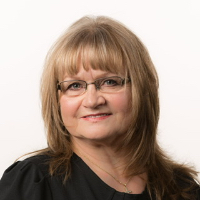
Texas · 15 yrs exp
LPC in Texas - family of origin and mood concerns
Addictions · Relationship · Trauma and abuse · Grief · +13 more
Read profile
Florida · 7 yrs exp
Licensed counselor - family origins and addiction
Addictions · Relationship · Family · Trauma and abuse · +13 more
Read profile
Texas · 12 yrs exp
LMFT - relationships and family of origin concerns
Stress, Anxiety · Addictions · Relationship · Grief · +11 more
Read profile
Florida · 26 yrs exp
LMHC - Relationship and life changes
Relationship · Grief · Self esteem · Depression · +13 more
Read profile
North Carolina · 10 yrs exp
LCSW in North Carolina - Family and Relationships
Stress, Anxiety · Relationship · Family · Bipolar · +16 more
Read profile
Texas · 17 yrs exp
LPC in Texas - family and anxiety concerns
Stress, Anxiety · Family · Depression · Coping with life changes · +12 more
Read profile
New York · 11 yrs exp
LMHC in New York - Family and relationship concerns
Stress, Anxiety · Grief · Self esteem · Relationship · +8 more
Read profile
Louisiana · 10 yrs exp
Licensed counselor - family of origin and relationships
Stress, Anxiety · Relationship · Family · Depression · +12 more
Read profile
Texas · 10 yrs exp
LPC in Texas - Family and relationship concerns
Stress, Anxiety · Relationship · Family · Depression · +14 more
Read profile
Texas · 11 yrs exp
Licensed Professional Counselor - relationships and family issues
Stress, Anxiety · Relationship · Family · Parenting · +9 more
Read profile
Ohio · 33 yrs exp
Ohio LPCC - Family and anxiety concerns
Stress, Anxiety · Family · Trauma and abuse · Self esteem · +12 more
Read profile
Illinois · 10 yrs exp
Illinois LCPC - Family and relationship concerns
Stress, Anxiety · LGBT · Relationship · Trauma and abuse · +10 more
Read profile
Florida · 14 yrs exp
LMHC - Family patterns and relationships
Stress, Anxiety · Trauma and abuse · Bipolar · Depression · +16 more
Read profile
Texas · 13 yrs exp
LPC and LMFT - Relationship and family issues
Stress, Anxiety · LGBT · Relationship · Trauma and abuse · +12 more
Read profile
North Carolina · 13 yrs exp
LCSW - family of origin and relationships
Stress, Anxiety · Relationship · Family · Self esteem · +13 more
Read profile
Louisiana · 16 yrs exp
LCSW - Family and relationship patterns
Stress, Anxiety · Relationship · Trauma and abuse · Bipolar · +16 more
Read profile
Florida · 10 yrs exp
Licensed Clinical Social Worker - Family and relationships
Stress, Anxiety · Addictions · Family · Grief · +8 more
Read profilePanic attacks are intense periods of sudden fear or discomfort that reach a peak within minutes. You may notice an overwhelming sense of dread, racing heart, trembling, shortness of breath, dizziness, or a feeling of losing control. When attacks occur repeatedly and you begin to worry about future attacks or change your behavior to avoid them, clinicians commonly describe this pattern as panic disorder. Panic experiences vary widely - some people have isolated attacks tied to clear triggers while others face frequent, unexpected episodes that interrupt daily life.
Panic can affect your relationships, work, and how you move through public spaces. You might avoid certain environments, miss social events, or find yourself planning the day around places where you feel safer. Emotional effects such as embarrassment, shame, or anticipatory anxiety - the fear of having another attack - can be as distressing as the physical sensations. Learning about the typical course of panic-related symptoms can help you recognize when professional support might be useful and what kinds of strategies tend to be helpful.
If panic episodes are causing you to avoid activities you used to enjoy, interfere with your work or schooling, or lead to repeated trips to medical settings without relief, therapy can offer a structured way to address those patterns. You may find that worry about the next attack occupies a large part of your thoughts, that you check for symptoms frequently, or that you use alcohol, drugs, or safety behaviors to try to prevent or blunt attacks. These are common signals that targeted support could be beneficial.
Therapy can also be helpful if you want to better understand what triggers your symptoms, reduce the intensity and frequency of attacks, or build coping skills to manage panic when it happens. If you are experiencing significant avoidance - for example limiting travel, cutting back on social plans, or avoiding physical activities that could increase heart rate - you may especially benefit from approaches that focus on reducing avoidance and gradually reintroducing feared sensations and situations. You do not need to wait until symptoms reach crisis levels to look for help; early support can shorten the time you spend feeling stuck and increase your options for recovery.
Initial sessions typically begin with a collaborative assessment in which you and the clinician discuss the history of your panic experiences, current symptoms, medical background, and how panic affects your daily life. You may be asked about patterns of avoidance, how you interpret bodily sensations, and what strategies you already use to cope. This information helps the therapist and you set goals for treatment, whether that means reducing attack frequency, decreasing avoidance, or improving your ability to manage anxiety in specific situations.
Over the course of therapy you can expect a mix of education, skills practice, and gradual exposure to feared sensations or situations. Psychoeducation helps you learn how stress and the body's alarm system work so the sensations become less mysterious and frightening. Skills work might involve breathing and grounding techniques that reduce immediate distress, cognitive strategies to challenge catastrophic thoughts, and behavioral experiments that test out new ways of responding. Many clinicians emphasize between-session practice - sometimes called homework - because repeated practice is how new patterns take hold. Therapy sessions are collaborative; your input shapes the pace and the specific techniques used.
Several therapeutic approaches are commonly used to help people manage panic. Cognitive behavioral approaches often focus on identifying and modifying unhelpful thoughts about bodily sensations while increasing exposure to avoided sensations and situations. Acceptance and commitment approaches encourage you to notice anxious thoughts and sensations without letting them direct your behavior, while clarifying values to guide action despite fear. Mindfulness and breath-based strategies teach ways to tolerate and observe uncomfortable sensations without reacting automatically.
Some therapists list trauma-focused approaches among their methods, and others include interventions aimed at processing distressing memory or learning patterns of responding. When exploring profiles, you may see language like "therapists who list EMDR among their approaches" or "therapists who list exposure therapy among their approaches." That phrasing reflects how clinicians describe their practice rather than certification, so you can ask directly in a consultation about how an approach would be used for panic-related symptoms. Many therapists also coordinate care with medical or psychiatric providers if you and your clinician determine that collaborative care could be helpful for symptom management.
Online therapy for panic concerns can include video sessions, phone calls, and asynchronous messaging, depending on the clinician's offerings. Video sessions allow you to work from a comfortable environment while still seeing facial expressions and nonverbal cues, which many people find helpful. Phone sessions can be useful when video is not an option, and messaging may supplement synchronous sessions for check-ins or homework support. Remote care can accommodate people who live far from specialized clinicians, have mobility constraints, or prefer to work from home.
When you choose online sessions, it helps to plan a quiet, uninterrupted place where you can focus during appointments. Having a list of emergency contacts and a crisis plan is important in case you experience intense distress between sessions, and therapists typically discuss safety planning early in work together. You may also want to ask about how the clinician manages session interruptions and what steps they recommend if you need immediate local assistance. Many techniques used for panic - such as interoceptive exposure, breathing exercises, and cognitive restructuring - translate well to a remote format and can be practiced with guidance during video sessions.
Start by thinking about what matters most to you in therapy. You may prioritize a clinician who lists cognitive behavioral or exposure-based approaches if you want a skills-oriented, structured plan. Alternatively, you might prefer someone who emphasizes mindfulness, acceptance, or a relational style if you value a gentler pacing. Profiles often indicate languages spoken, professional credentials, and the types of clients a therapist commonly works with - these details can help you identify clinicians who might be a good fit.
When you review profiles, look for descriptions of how a therapist approaches panic-related work rather than relying on labels alone. Consider asking potential clinicians about how they assess panic symptoms, how they structure sessions, what kinds of between-session practice they typically recommend, and how they partner with medical providers if needed. It is also reasonable to ask how they measure progress and what you might expect after a few months of focused work. Trust your sense of whether you could speak openly with the therapist and whether their style aligns with your preferences; a good match can make the difference in how engaged you feel in the process.
Choosing a therapist is a personal decision. Use the listings below to learn more about clinicians who list panic disorder and panic attacks among their specialties, read their practice descriptions, and reach out to those whose approaches and backgrounds resonate with what you want to accomplish. Taking that first step can open a path toward managing symptoms more effectively and reclaiming activities that panic has limited.
Alabama
77 therapists
Alaska
12 therapists
Arizona
80 therapists
Arkansas
49 therapists
Australia
180 therapists
California
472 therapists
Colorado
138 therapists
Connecticut
47 therapists
Delaware
10 therapists
District of Columbia
14 therapists
Florida
591 therapists
Georgia
148 therapists
Hawaii
17 therapists
Idaho
44 therapists
Illinois
193 therapists
Indiana
100 therapists
Iowa
30 therapists
Kansas
42 therapists
Kentucky
80 therapists
Louisiana
120 therapists
Maine
14 therapists
Maryland
64 therapists
Massachusetts
59 therapists
Michigan
185 therapists
Minnesota
92 therapists
Mississippi
49 therapists
Missouri
167 therapists
Montana
34 therapists
Nebraska
32 therapists
Nevada
27 therapists
New Hampshire
17 therapists
New Jersey
115 therapists
New Mexico
39 therapists
New York
227 therapists
North Carolina
221 therapists
North Dakota
3 therapists
Ohio
143 therapists
Oklahoma
98 therapists
Oregon
51 therapists
Pennsylvania
188 therapists
Rhode Island
11 therapists
South Carolina
119 therapists
South Dakota
11 therapists
Tennessee
104 therapists
Texas
593 therapists
Utah
56 therapists
Vermont
12 therapists
Virginia
93 therapists
Washington
89 therapists
West Virginia
21 therapists
Wisconsin
102 therapists
Wyoming
12 therapists