- Client-centered care
- CBT and DBT methods
- EMDR and hypnotherapy
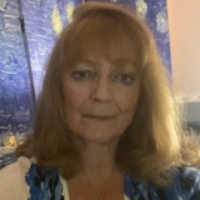
About Noreen
Noreen Joyce is a Licensed Clinical Social Worker (LCSW) in Hawaii with 40 years of experience. She works with people facing depression, trauma, relationship and family of origin issues, grief and complicated bereavement. Her practice also addresses anxiety, stress, addictions, parenting concerns, ADHD and mood-related problems.
She meets each person collaboratively and builds a treatment plan together. Sessions draw on client-centered methods alongside cognitive-behavioral and existential approaches. She also offers EMDR and hypnotherapy as part of the range of options discussed in sessions.
In practical terms she talks through current problems, patterns that come from family of origin experiences, and ways to handle recurring emotions. Conversations may include looking at thoughts and behaviors, learning new coping skills, and reflecting on meaning and personal priorities. The emphasis is on clear steps people can try between meetings.
Noreen has decades of work across grief, serious mental illness, and relationship struggles. That background shapes how she assesses risk and plans ongoing care. She pays attention to what has worked and what has not, and adapts the approach accordingly.
People will find straightforward talk about what is causing distress and what can change. The focus is on reducing symptoms, improving day-to-day functioning, and addressing family of origin patterns that keep coming up. Practical skills and reflective conversation are both part of the process.
How therapeutic approaches are used in online work
Noreen uses client-centered therapy, cognitive behavioral therapy (CBT) and EMDR as part of her approach. Client-centered work focuses on listening and helping people clarify what matters to them while shaping goals at a comfortable pace. CBT looks at the links between thoughts, feelings and actions and teaches concrete skills to change unhelpful patterns. EMDR is used to process distressing memories and their emotional impact through structured sessions that pair recollection with guided bilateral stimulation.Finding the right approach is treated as a collaborative process. The therapist and client discuss goals, try methods, and adjust the plan based on what helps most. Decisions about which techniques to use come from those conversations rather than a fixed protocol.
The original biography does not specify which online session formats are offered, so confirm current options before booking. Online work can make it easier to fit therapy into a busy schedule, allow shorter check-ins when needed, and remove travel time. It also makes it straightforward to include work on family of origin patterns, grief, or coping skills in regular visits without changing daily routines.
Areas of expertise
Primary focus
Also works with
Additional focus areas
Therapeutic approaches
Experience
40+ years
Listed in
Hawaii
Languages
English
Frequently asked questions
What concerns does she address?
She works with depression, anxiety, grief, relationship and family of origin issues, addictions, ADHD and related mood concerns.
How would you describe her therapeutic style?
She works collaboratively with clients to build a treatment plan and combines conversational work with practical skills and reflection.
How much experience does she have?
She has 40 years of experience working in behavioral health and psychotherapy.
What credential does she hold and where is she based?
She is an LCSW licensed in Hawaii and practices from that state.
Which languages are supported?
Sessions are offered in English and she accepts international clients.
What session formats are available?
The original biography does not list specific session formats; please confirm current session options before booking.
How are fees handled?
Cost varies with location and sessions use a subscription model that can be canceled at any time.
How do I begin working with her?
Select the See online therapy options button, complete the short matching questionnaire, and schedule a first session.
Online talk therapy is not emergency care. If you are in danger, use the emergency numbers. Looking for someone else? Find them by surname.