- CBT techniques
- Mindfulness skills
- Motivational interviewing
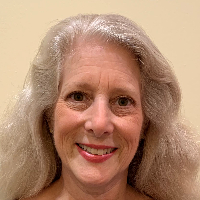
About Caryn
Caryn Kelley is an Illinois Licensed Clinical Social Worker (LCSW) with 10 years of clinical experience. She works with adults facing stress, anxiety, depression, grief, relationship strain, addiction, parenting concerns, and family of origin issues. Sessions emphasize practical steps and clearer thinking for day-to-day challenges.
Caryn uses straightforward conversation to learn what is working and what is not. She draws on client-centered ideas to focus on each person's strengths. Cognitive behavioral techniques are used to identify unhelpful thoughts and shift behaviors that keep problems going.
Sessions often include mindfulness skills to reduce reactivity and DBT strategies to manage strong emotions. Emotionally-focused ideas guide conversations about how patterns in relationships and family backgrounds affect current choices. Motivational interviewing is used when people feel stuck and want help finding momentum for change.
Her approach begins by mapping a client's routine, stressors, and supports. From there she and the client set small, practical goals and try concrete steps between meetings. Conversations are direct and intended to make daily life easier, not just talk about feelings.
Caryn has worked in a variety of settings and brings that practical experience to sessions. She helps people spot repeating family patterns and decide which ones they want to keep or change. If you want clear, down-to-earth help untangling family of origin patterns, she can help you sort next steps.
How Caryn Uses Therapeutic Approaches Online
Client-centered therapy focuses on the person's experience and strengths. It involves listening, reflecting, and helping people name what matters most in their life. This approach is useful for people who want a respectful space to sort through family roles and personal values.Cognitive behavioral therapy (CBT) looks at the link between thoughts, feelings, and actions. Sessions involve identifying unhelpful thinking patterns and practicing different behaviors to break those cycles. CBT is often used for anxiety, depression, and sleep or stress problems.
Dialectical behavior therapy (DBT) supplies concrete skills for managing intense emotions and improving how someone reacts under pressure. It includes techniques for distress tolerance, emotion regulation, and clearer communication in relationships.
Finding the right approach is part of the work. Caryn will discuss goals, preferences, and what feels most useful, then try methods together to see what helps. The process is collaborative rather than one-size-fits-all.
Session formats are not specified in the biography, so confirm current options before booking. Online sessions can make it easier to fit therapy into a busy week, allow shorter check-ins when needed, and reduce travel time. Licensed professionals can adapt exercises like CBT worksheets, mindfulness practices, and DBT skills for virtual meetings to keep progress moving forward.
Areas of expertise
Primary focus
Also works with
Additional focus areas
Therapeutic approaches
Experience
10+ years
Listed in
Illinois
Languages
English
Frequently asked questions
What concerns does she address related to family background?
She works with adults on family of origin issues, communication problems, abandonment concerns, and how early roles shape current relationships.
What is her therapy style like?
She uses a direct, practical style that blends client-centered conversation with skills practice and problem-solving.
How much clinical experience does she have?
She has 10 years of experience working in multiple clinical settings.
What are her credentials and location?
She is an Illinois LCSW. Her practice is based in Illinois.
Which languages are supported?
Sessions are offered in English only.
Are international clients accepted?
She does not accept international clients at this time.
How is cost handled?
Cost varies with location and sessions use a subscription that can be canceled at any time.
How do I start a first session?
Select the See online therapy options button, complete the short matching questionnaire, and schedule a first session.
Online talk therapy is not emergency care. If you are in danger, use the emergency numbers. Looking for someone else? Find them by surname.