- CBT
- DBT-informed work
- Solution-focused methods
About David
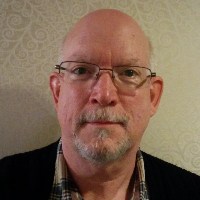
Dr. David Wilcox is a Licensed Mental Health Counselor (LMHC) in Florida with 34 years of clinical practice. He works with adults on stress, anxiety, relationship problems, parenting, depression, and trauma-related concerns. He also addresses family of origin issues when those early patterns affect current life.
He often helps people who are coping with trauma, including the ripple effects on partners and other close relatives. Substance misuse linked to trauma is part of his experience. He takes a straightforward approach that looks at how thoughts, behaviors, and life roles interact.
Dr. Wilcox uses practical methods like cognitive behavioral work and solution-focused conversations. He also draws on dialectical behavior ideas and motivational interviewing to support change and build skills. Sessions tend to focus on concrete steps and managing symptoms alongside clearer thinking about relationships.
He thinks about a person in four parts - biological, psychological, social, and spiritual - and will address these areas as they become relevant. That can mean learning coping skills, changing unhelpful thinking, or planning small, manageable changes for daily life.
Sessions are direct and goal-oriented while still allowing time to talk through difficult material. He helps people notice patterns that come from their family of origin and work toward different choices in relationships and parenting. Practical problem solving and skill building are core features of his work.
Therapeutic approaches and how they translate online
Dr. Wilcox uses cognitive behavioral work to help people identify unhelpful thoughts and change the behaviors that keep problems going. CBT is often useful for anxiety, depression, and stress because it provides concrete exercises and steps to try between sessions.He also uses dialectical behavior ideas to teach skills for regulating emotions and improving interpersonal effectiveness. DBT-informed techniques focus on emotion regulation, distress tolerance, and clearer communication in relationships.
Choosing the right approach is a collaborative process. The therapist and client review goals, try methods, and adjust based on what helps. Clients can expect the therapist to recommend exercises, track progress, and shift strategies when needed.
The biography does not list which online session formats are offered, so confirm current options before booking. In general, online work can make it easier to fit sessions into a busy week, allow brief check-ins when needed, and remove travel time. Some approaches translate well to shorter, skills-focused sessions while others work better in a standard-length appointment, and these practical choices are part of the planning conversation with the therapist.
Areas of expertise
Primary focus
Additional focus areas
Therapeutic approaches
Experience
34+ years
Listed in
Florida
Languages
English
Frequently asked questions
Which concerns does he help with?
He works with stress, anxiety, relationship challenges, parenting, depression, and trauma-related issues. Family of origin patterns are part of his focus when they affect adult life.
What is his therapeutic style?
His approach is practical and goal-oriented. Sessions mix skill teaching, problem solving, and discussion of relationship dynamics.
How much clinical experience does he have?
He has 34 years of professional counseling experience, beginning in 1991.
What are his credentials and location?
He is a Florida Licensed Mental Health Counselor, listed as LMHC, and practices in Florida.
Which languages are supported?
Sessions are offered in English.
What session formats are available?
The biography does not list specific session formats. Confirm current session options before booking.
How are fees handled?
Cost varies with location and sessions use a subscription that can be canceled at any time.
How do I begin working with him?
Use the See online therapy options button, complete the short matching questionnaire, and schedule a first session.
Online talk therapy is not emergency care. If you are in danger, use the emergency numbers. Looking for someone else? Find them by surname.