- Acceptance and Commitment Therapy
- Attachment-based work
- Client-centered listening
About Margaret
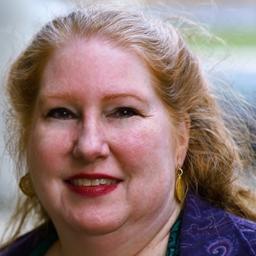
Margaret Johnston is a Licensed Mental Health Counselor (LMHC) in Florida with 11 years of clinical experience. She works with adults dealing with stress, anxiety, grief, depression, relationship and intimacy-related concerns, and the ways early family patterns still shape current life. Her practice also addresses issues such as eating concerns, body image, ADHD, bipolar symptoms, and challenges related to gender and sexual identity.
Johnston uses straightforward conversation and close listening to help people notice the patterns that keep repeating. She draws on client-centered work to reflect feelings and identify unmet emotional needs. Cognitive Behavioral Therapy and Acceptance and Commitment Therapy are tools she uses to clarify thinking, notice unhelpful habits, and plan practical steps forward.
Her background includes a Master of Clinical Psychotherapy from the University of North Florida and a nine-month Clinical Pastoral Education internship focused on deep listening. She has experience in a veteran-focused Talk program and in public speaking and community organizing, which inform her approach to stress and first responder issues.
In sessions she highlights how family of origin dynamics - roles, expectations, and communication habits from childhood - can continue to affect choices and relationships now. She pays attention to race and cultural context when those things matter to a person, and she names those pressures rather than minimizing them.
People who come for help around loss, trauma, or life changes can expect practical planning alongside emotional reflection. Johnston aims to help clients identify options, set goals, and reduce the ways past patterns interfere with day-to-day life.
How therapeutic approaches translate to online work
Acceptance and Commitment Therapy (ACT) helps people notice unhelpful thoughts and clarify values so they can take small actions that matter. It is useful for anxiety, stress, and motivation problems. Attachment-Based Therapy focuses on patterns of connection learned in early relationships and how those patterns affect current intimacy and communication. It can help with family of origin issues and relationship concerns.Finding the right approach is part of the work. Margaret will collaborate with each person to pick methods that fit their goals, preferences, and what feels most useful. She uses listening and reflective feedback alongside behavioral steps so the plan is both understandable and practical.
The original biography does not specify which online formats are used, so confirm current session options before booking. Online sessions can make it easier to fit appointments into a busy week, allow shorter check-ins when needed, and remove travel time. Licensed professionals often adapt ACT and attachment-focused work to remote sessions by using exercises, guided reflection, and clear action plans that can be practiced between meetings.
Areas of expertise
Also works with
Additional focus areas
Therapeutic approaches
Experience
11+ years
Listed in
Florida
Languages
English
Frequently asked questions
What concerns does she address?
She works with stress, anxiety, grief, depression, relationship and intimacy-related concerns, eating and body image issues, ADHD, bipolar-related concerns, and family of origin issues among other topics.
What is her therapeutic style?
Her style is conversational and reflective, using client-centered listening and practical tools from CBT and ACT to notice patterns and plan steps forward.
How much clinical experience does she have?
She has 11 years of experience as a mental health clinician, including work in a veteran-focused Talk program and community-facing roles.
What credentials and location are on file?
She is a Florida LMHC (Licensed Mental Health Counselor) and practices in Florida.
Which languages are supported?
Sessions are offered in English and she accepts international clients.
What session formats are offered?
The original biography does not specify session formats; please confirm current session options before scheduling.
How are session costs handled?
Cost varies with location; sessions use a subscription that can be canceled at any time.
How do I get started?
Select the See online therapy options button, complete a short matching questionnaire, and schedule your first session.
Online talk therapy is not emergency care. If you are in danger, use the emergency numbers. Looking for someone else? Find them by surname.