- Family of origin patterns
- Stress and anxiety
- Attachment focused work
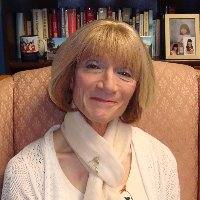
About Mary
Dr. Mary Ann Dier-Zimmermann is an Illinois Licensed Clinical Professional Counselor (LCPC) with 35 years of experience. She sees adults managing stress, anxiety, depression, relationship concerns, grief, addictions, and issues linked to family of origin. Her work also addresses parenting strain, intimacy-related problems, and concerns that affect life roles and work.
Her style focuses on listening closely and respecting each person's beliefs and life story. Sessions typically include an assessment and a plan so goals are clear. She draws on clinical approaches such as Acceptance and Commitment Therapy, attachment-focused work, and client-centered methods to guide conversations about values, relationships, and everyday choices.
She works with people who are sorting through family patterns - things learned in childhood that still influence reactions and relationships. That can look like addressing attachment issues, abandonment concerns, blended family dynamics, or how caregiver roles affect mood and energy. She also helps with practical coping for life changes and career stress.
Dr. Dier-Zimmermann includes discussions of faith, spirituality, and meaning when they matter to a person. She treats those beliefs as part of the person’s resources rather than a separate issue. Discussions may include ways to strengthen support networks and improve communication with family and friends.
Her approach is conversational and centered on the client’s priorities. She provides clear next steps and works with individuals to build everyday skills for handling stressors and relationship tensions.
How her approaches are used in online sessions
Acceptance and Commitment Therapy (ACT) helps people clarify their values and take small steps toward them despite difficult thoughts or feelings. It is useful for anxiety, depression, and stress when someone wants practical ways to act in line with what matters. Attachment-Based Therapy looks at how early relationships affect current connections. Online work using attachment ideas can help someone notice repeated patterns, try new ways of relating, and reduce reactivity in close relationships. Client-Centered Therapy emphasizes the person’s own pace and priorities. The therapist listens, reflects, and supports the client in making choices that feel right for them. Finding the right approach is part of the work. She will collaborate with each person to decide which methods fit their goals, needs, and preferences, and may combine elements from different approaches as appropriate. Confirm session options before booking, as formats are not specified here. Online sessions can make scheduling easier, allow shorter check-ins when needed, and reduce travel time so therapy fits into a busy day. Talk with the therapist about practical arrangements and which session length or rhythm will work best for everyday life.Areas of expertise
Primary focus
Also works with
Additional focus areas
Therapeutic approaches
Experience
35+ years
Listed in
Illinois
Languages
English
Frequently asked questions
What concerns does she help with?
She works with adults on stress, anxiety, depression, relationship issues, grief, addictions, and family of origin patterns.
What is her therapeutic style?
She listens attentively, offers an assessment and plan, and uses conversational, client-centered sessions to set practical goals.
How much experience does she have?
She has 35 years of professional experience as a counselor in clinical practice.
What credential does she hold and where is she based?
She is an Illinois LCPC and practices in Illinois.
Which languages are available for sessions?
Sessions are offered in English.
Does she work with international clients?
She does not work with international clients at this time.
How are fees handled?
Cost varies with location and sessions use a subscription that can be canceled at any time.
How do I begin a session?
Select the See online therapy options button, complete a short matching questionnaire, and schedule a first session.
Online talk therapy is not emergency care. If you are in danger, use the emergency numbers. Looking for someone else? Find them by surname.