- Attachment-based work
- CBT and mindfulness
- Grief and stress
About Rachel
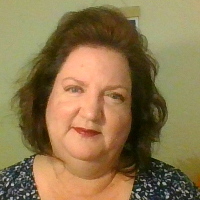
Rachel Black is a Florida LMHC with 20 years of clinical experience. She works with adults facing stress, anxiety, grief, relationship strain, and family of origin issues. She also supports people managing mood concerns like depression and bipolar, as well as challenges with attention, addictions, and changes in life roles.
Rachel uses straightforward, practical work in sessions. She listens for how early family patterns affect current behavior and relationships. She helps people notice recurring roles, communication habits, and expectations that keep problems repeating. Then she introduces specific skills to change what doesn’t work.
Her approach blends attachment-focused ideas with cognitive behavioral strategies and mindfulness exercises. That means attending to close bonds and how those shape feelings, while also testing unhelpful thoughts and practicing calming skills. Dialectical behavior therapy tools and client-centered ways of meeting what a person brings are also part of the mix when useful.
Rachel has two decades of experience in counseling adults and uses plain language in sessions. She offers encouragement for practical steps such as improving sleep, building boundaries, or adjusting career choices. Work can include coping skills, communication practice, and planning for concrete life changes.
People who want help understanding how their family of origin shapes current choices will find a clinician who focuses on patterns. To begin, she asks about current concerns, family background, and short-term goals so sessions can focus on what matters now.
How her approaches translate to online work
Rachel integrates attachment-based ideas and cognitive behavioral therapy in ways people can use in remote sessions. Attachment-based work looks at how early relationships shape expectations and reactions in current relationships, which can be discussed and mapped out in session. Cognitive behavioral therapy focuses on identifying unhelpful thoughts and trying out different behaviors; that often translates into brief exercises, journaling, and skill practice between sessions.She also draws on mindfulness techniques to help with stress and emotional regulation, teaching simple breathing and grounding practices that can be done during or after a session. Figuring out which mix of approaches fits best is a collaborative process; the therapist and client assess needs, goals, and what feels most useful, then adjust over time based on progress and preference.
Session formats are not specified in the biography, so confirm current options before booking. Online work can make it easier to fit appointments into a busy week, allow for shorter check-ins when needed, and reduce travel time. The focus remains on practical skills, noticing family patterns, and applying new strategies in everyday life.
Areas of expertise
Primary focus
Also works with
Additional focus areas
Therapeutic approaches
Experience
20+ years
Listed in
Florida
Languages
English
Frequently asked questions
What kinds of concerns does she address?
She works with stress, anxiety, relationship strain, grief, self-esteem, addictions, ADHD, depression, bipolar, and family of origin issues among other topics.
What is her general therapy style?
She uses a practical, conversational style that looks at current problems and the family patterns behind them. Sessions focus on skills and clear steps rather than only talk.
How much experience does she have?
Rachel has 20 years of experience as a clinician working with adults on mood, relationship, and life transition issues.
What credentials and region are listed?
She is a Florida LMHC and practices in Florida.
Which languages are supported?
Sessions are offered in English.
Does she work with international clients?
She is not accepting international clients at this time.
How are sessions paid for and what does cost look like?
Cost varies with location and sessions use a subscription that can be canceled at any time.
How do I get started with her?
Select the See online therapy options button, complete a short matching questionnaire, and schedule a first session.
Online talk therapy is not emergency care. If you are in danger, use the emergency numbers. Looking for someone else? Find them by surname.