- Family of origin issues
- Cognitive Behavioral Therapy
- Caregiver stress
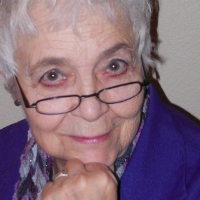
About Carol
Dr. Carol Carrell is a Licensed Marriage and Family Therapist (LMFT) in California with 30 years of clinical and teaching experience. She works with adults on stress, anxiety, depression, relationship struggles, family of origin issues, and a range of life transitions. She also supports people facing caregiver strain, chronic illness, addiction concerns, and LGBTQ-related challenges.
Her style is practical and conversational. Sessions focus on clear goals, learning skills, and improving day-to-day functioning. Carol combines client-centered listening with skill-based approaches so people can try new ways of relating and coping between sessions.
In practice she draws on Cognitive Behavioral Therapy to identify patterns of thinking that feed anxiety and low mood. She uses Dialectical Behavior Therapy techniques for emotion regulation and distress tolerance when strong feelings get in the way. Emotionally-Focused Therapy ideas guide work on closeness and communication in relationships.
As a former professor and supervisor she brings experience with a wide age range and with complex cases. That background informs how she helps people untangle repeated family patterns and the expectations they grew up with. She pays attention to caregiver stress and to how chronic health issues affect relationships.
People who come for help often want clearer communication, less reactive conflict, and better balance between caregiving and personal needs. Carol works with clients to set concrete steps, practice new skills, and notice small changes that add up over time.
How her approaches work in online sessions
Client-Centered Therapy focuses on listening and reflecting so people can clarify what matters to them. It helps when the main need is being understood and deciding on next steps. Cognitive Behavioral Therapy (CBT) looks at the links between thoughts, feelings, and actions and provides practical exercises to change unhelpful patterns. CBT suits anxiety, low mood, and habit-related problems. Dialectical Behavior Therapy (DBT) offers concrete tools for managing strong emotions and improving tolerance of distress, which helps when reactions get in the way of relationships.Choosing which approach to use is part of the work. The therapist will talk with each person about their goals, preferences, and what has or hasn't helped before. Together they’ll decide which methods to try and check in as therapy progresses to adjust the plan.
Session formats are not specified in the biography, so confirm current session options before booking. Online work can make it easier to fit sessions into a busy life - for example a shorter check-in during a lunch break or a session that avoids travel time. It can also allow focused skills practice between meetings and quicker access to weekly support without rearranging a whole day. Licensed professionals can adapt CBT and DBT exercises for remote sessions to keep progress moving forward.
Areas of expertise
Also works with
Additional focus areas
Therapeutic approaches
Experience
30+ years
Listed in
California, Arizona
Languages
English
Frequently asked questions
What concerns does she address?
She addresses stress, anxiety, depression, relationship problems, family of origin issues, caregiver fatigue, addiction, grief, and related topics.
What is her therapeutic style?
She uses a practical, conversational style that combines listening with skills practice and clear goals.
How much experience does she have?
She has 30 years of clinical experience, including roles as a professor and supervisor.
What are her credentials and location?
She is an LMFT licensed in California and Arizona and practices out of California.
Which languages are supported?
Sessions are offered in English.
Does she work with international clients?
She does not accept international clients at this time.
How are sessions scheduled and paid for?
Cost varies by location and sessions use a subscription that can be canceled at any time.
How do I begin therapy with her?
Select the See online therapy options button, complete a short matching questionnaire, and schedule a first session.
Online talk therapy is not emergency care. If you are in danger, use the emergency numbers. Looking for someone else? Find them by surname.