- Relationship problems
- Grief and loss
- Family of origin
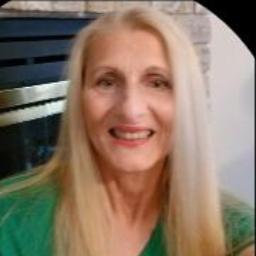
About Cynthia
Cynthia Churm is a Licensed Clinical Social Worker (LCSW) practicing in Wisconsin with 30 years of professional experience. She works with adults facing relationship and family concerns, trauma and abuse, grief, and major life changes. Cynthia also addresses related issues such as abandonment, caregiver stress, chronic illness, and communication problems.
Her style is straightforward and respectful. Sessions focus on talking through current patterns, identifying how family of origin influences present behavior, and finding practical ways to change unhelpful habits. She adapts conversation and planning to each person's situation rather than applying a single method.
Over three decades she has worked across a range of concerns linked to family and lifelong health issues. That background informs how she recognizes recurring roles, expectations, and responses that people carry from childhood into adult relationships. She uses evidence-based therapeutic techniques to guide conversations and problem solving.
In a typical meeting Cynthia listens to what matters now, asks targeted questions, and helps set small, concrete goals. She pays attention to how grief, medical conditions, or caregiving responsibilities shape daily life and decision making. Her work often includes exploring attachment patterns and how they affect trust and closeness.
People who contact her should expect clear, direct dialogue and collaborative planning. To begin, readers can follow the site steps to complete a short matching questionnaire and schedule a first session.
Evidence-based approaches and online sessions
Many of Cynthia's sessions draw on straightforward, evidence-based therapeutic techniques. One common approach examines how early family roles shape current relationships and choices, helping people recognize repeating patterns and try different responses. Another helpful method focuses on coping skills for grief and life changes, building short-term strategies to manage difficult moments and daily responsibilities.Choosing the right approach is part of the work together. The therapist will talk with each person about symptoms, history, and goals, and will suggest methods that fit those needs. That collaborative process helps decide whether to use pattern-focused work, skills training for coping, or a mix of techniques.
The site does not list specific session formats in the biography, so confirm current options before booking. Online work can make it easier to fit sessions into a busy week, shorten travel time, and allow check-ins that coordinate with caregiving or medical schedules. Phone or shorter sessions can be useful when bandwidth or interruptions are a concern. Discussing practical arrangements is part of the first session so meetings can match everyday life.
Areas of expertise
Primary focus
Additional focus areas
Experience
30+ years
Listed in
Wisconsin
Languages
English
Frequently asked questions
What kinds of difficulties does she address?
She helps people with relationship and family concerns, trauma and abuse, grief, and coping with life changes.
How would you describe her therapeutic style?
Her approach is direct and practical, focusing on current patterns and concrete goals rather than abstract theory.
How much experience does she bring?
She has 30 years of professional work experience in social work and clinical settings.
What are her credentials and where does she practice?
She is a Licensed Clinical Social Worker (LCSW) licensed in Wisconsin and practices in that state.
Which languages are supported?
Sessions are offered in English.
Can international clients work with her?
She does not accept international clients at this time.
How are sessions scheduled and paid for?
Cost varies by location and sessions use a subscription that can be canceled at any time.
What should I do to start working together?
Select the See online therapy options button, complete a short matching questionnaire, and schedule a first session.
Online talk therapy is not emergency care. If you are in danger, use the emergency numbers. Looking for someone else? Find them by surname.