- Stress and anxiety
- Family of origin issues
- ACT CBT DBT
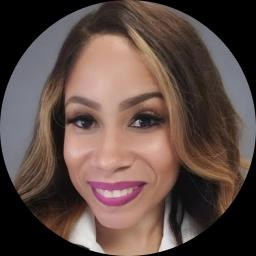
About Daffney
Daffney Tchassem is a Licensed Clinical Social Worker (LCSW) in Texas with 16 years of experience. She works with adults on stress, anxiety, relationship concerns, family issues, grief, and depression. She also supports people dealing with addictions, intimacy questions, parenting strain, and career or life changes.
Her approach is straightforward and person-focused. She uses methods such as Acceptance and Commitment Therapy (ACT), Cognitive Behavioral Therapy (CBT), and Attachment-Based Therapy to help people recognize patterns that come from their family of origin. Sessions involve talking through patterns, learning practical skills, and trying new ways of relating in everyday life.
Daffney draws on Dialectical Behavior Therapy (DBT) and Client-Centered Therapy when useful. That means she combines skills training with attention to how each person experiences their problems. Conversations focus on what is happening now and how past family roles may still influence decisions and feelings.
She works with adults on a range of concerns including ADHD, abandonment, adoption and foster-care issues, blended family dynamics, body image, caregiver stress, chronic illness, and codependency. Her work with attachment issues and intimacy-related concerns looks at how early relationships shape trust, boundaries, and closeness.
Sessions are practical and aimed at helping people change patterns that no longer serve them. Daffney asks about goals, tries out new ways of coping, and adjusts the plan as progress is made. She speaks English and practices in Texas.
How certain approaches are used in online sessions
Daffney commonly uses Acceptance and Commitment Therapy (ACT) and Attachment-Based Therapy in her work. ACT focuses on noticing thoughts and choosing actions that match personal values, which helps with anxiety, stress, and coping with life changes. Attachment-Based Therapy looks at how early family relationships shape current patterns in trust and closeness, which is useful for relationship and family-of-origin concerns.Finding the right approach is part of the process. She will work with the client to decide which methods fit their goals and preferences, and adjust techniques as progress is made. That collaborative planning helps connect therapy tools to real-life situations the client wants to change.
The practical benefits of online work make it easier to fit sessions into a busy life. Confirm the current session options before booking since formats are not listed here. Online sessions can reduce travel time, allow shorter check-ins when needed, and make it simpler to schedule around work or caregiving. Therapists and licensed professionals often use these options to keep continuity of care and to make regular sessions more manageable.
Areas of expertise
Primary focus
Also works with
Additional focus areas
Therapeutic approaches
Experience
16+ years
Listed in
Texas
Languages
English
Frequently asked questions
What kinds of concerns does she address?
She works with stress, anxiety, relationship problems, family issues, grief, depression, and related concerns listed in her specialties.
How would you describe her therapy style?
She uses a practical, person-focused style that combines talking, skills practice, and reflection on family patterns.
How much experience does she have?
She has 16 years of professional experience as a clinician.
What credential does she hold and where does she practice?
She is an LCSW (Licensed Clinical Social Worker) licensed in Texas and practices there.
Which languages are sessions offered in?
Sessions are offered in English.
Can international clients work with her?
She does not accept international clients at this time.
How are sessions scheduled and what about cost?
Cost varies with location; sessions use a subscription that can be canceled at any time.
How do I begin working with her?
Select the See online therapy options button, complete the short matching questionnaire, and schedule a first session.
Online talk therapy is not emergency care. If you are in danger, use the emergency numbers. Looking for someone else? Find them by surname.