- stress and anxiety
- grief and loss
- parenting support
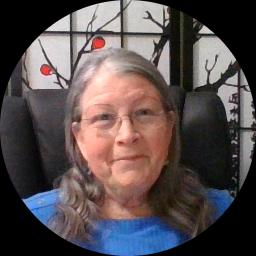
About Debra
Debra Hayton is a Montana licensed clinical social worker (LCSW) with 23 years of professional experience. She focuses on stress, anxiety, relationship concerns, grief, depression, mood disorders, parenting, self-esteem, and sleep problems. She also works with issues such as addictions, trauma and abuse, intimacy, and ADHD. Debra identifies as Christian but does not impose her beliefs on clients.
Her meetings center on listening and practical conversation. She helps people name what is most troubling and tries straightforward strategies to reduce distress. Sessions often include talking through daily habits, thinking patterns, and relationship dynamics that maintain old problems.
Debra uses a mix of approaches that include client-centered work, cognitive behavioral ideas, dialectical behavior tools, mindfulness practices, and motivational interviewing. That mix is used to help people manage mood, cope with grief, handle anger, and address patterns that come from family of origin experiences.
She draws on many years of direct practice with adults across life stages, including older adults. Her experience includes supporting caregivers and people facing health challenges such as chronic illness or cancer. She also helps with practical areas like communication problems, commitment concerns, and career-related stress.
When someone begins, Debra and the person agree on goals and a plan. Sessions are conversational and focused on skills, choices, and steps the person can try between meetings. People who want to start are asked to complete an intake questionnaire and schedule a first session to review goals and options.
How her approaches translate to online work
Debra commonly uses client-centered work, cognitive behavioral therapy (CBT), and dialectical behavior therapy (DBT) in sessions. Client-centered work focuses on listening and supporting a person's own goals and choices. CBT looks at how thoughts and behaviors interact and uses practical exercises to shift unhelpful patterns. DBT adds skills for managing strong emotions and improving interpersonal effectiveness, which can help with anger, mood swings, and relationship strain.Choosing the right approach is part of the process. The therapist and client review concerns, goals, and preferences together and agree on which methods to try. That collaborative planning helps keep sessions relevant and focused on concrete steps the client can use between meetings.
The practical benefits of online work include fitting sessions into a busy life and reducing travel time. Confirm the current session formats before booking so you know whether video or phone options are available. Online sessions can make it easier to schedule shorter check-ins, combine weekly work with occasional longer sessions, or fit counseling around work and caregiving responsibilities.
Areas of expertise
Primary focus
Also works with
Additional focus areas
Therapeutic approaches
Experience
23+ years
Listed in
Montana
Languages
English
Frequently asked questions
What concerns does she address?
She works with stress, anxiety, relationship issues, grief, depression, mood disorders, and related areas such as addictions and sleep problems.
What is her therapeutic style?
She uses client-centered conversations combined with cognitive behavioral and dialectical tools, plus mindfulness and motivational interviewing to help with practical change.
How long has she been practicing?
She brings 23 years of professional experience working with adults on a broad range of concerns.
What are her credentials and location?
She is an LCSW licensed in Montana and practices with clients based in that state.
Which languages are supported?
Sessions are offered in English.
Does she take international clients?
She does not accept international clients at this time.
How are session costs handled?
Cost varies by location and sessions are provided through a subscription that can be canceled at any time.
How do I begin working with her?
Start by selecting the See online therapy options button, completing a short matching questionnaire, and scheduling a first session.
Online talk therapy is not emergency care. If you are in danger, use the emergency numbers. Looking for someone else? Find them by surname.