- Stress and anxiety
- Family of origin
- EMDR and DBT
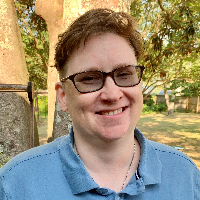
About Heather
Heather Scarboro is an LCMHC (Licensed Clinical Mental Health Counselor) practicing in North Carolina with ten years of experience. Heather works with stress, anxiety, addictions, depression, relationship and family concerns, grief, self-esteem, ADHD, and related issues people bring from their earlier lives. She uses direct talk, skills practice, and focused interventions in session.
Heather approaches therapy with clear, goal-oriented steps. She uses client-centered methods to listen and reflect what a person brings. She also draws on approaches that help with intense emotions and relational patterns, such as Dialectical Behavior Therapy and Emotionally-Focused Therapy. For those whose early attachments shape current behavior, she addresses family of origin patterns and attachment concerns in practical ways.
Heather has worked in elder care, community mental health, and university settings. That background informs how she helps people manage caregiving stress, life changes, and career or role transitions. She also has experience with LGBTQIAP+ communities and frontline workers and brings that experience into clinical conversations when relevant.
Her clinical tools include EMDR for processing distressing memories and other somatic or memory-focused interventions. She also uses mindfulness-based cognitive approaches and expressive arts when they match a client's preferences. Sessions typically mix discussion, skill-building, and concrete exercises people can use between meetings.
Outside of clinical work Heather is involved in public education about dissociative disorders through writing, podcasts, and presentations. That advocacy reflects lived experience she sometimes references to inform clinical perspective.
Therapeutic approaches and how they work online
Around the work Heather uses client-centered therapy to keep sessions focused on each person’s experience. This means she listens closely, reflects what she hears, and helps a client set clear goals and steps to reach them. Client-centered work helps when patterns from childhood or family life feel confusing or stuck.She also uses Dialectical Behavior Therapy (DBT) skills to teach emotion regulation, distress tolerance, and clearer communication. DBT techniques are practical tools for managing intense emotions and improving day-to-day coping. Emotionally-Focused Therapy (EFT) is another approach she uses for addressing attachment and relationship patterns; EFT helps people notice interaction cycles and try new emotional responses.
Finding the right approach is part of the work. Heather will collaborate with each person to decide which methods to use based on goals, history, and what feels most useful. That collaborative planning can include trying a technique for several sessions and adjusting as needed.
The biography does not list specific session formats here, so confirm available online options before booking. Online meetings can make it easier to fit therapy into work or family schedules, allow shorter check-ins when needed, and avoid travel time. Therapists and licensed professionals can adapt exercises, skills practice, and EMDR-informed protocols to a remote setting when both parties agree it suits the work.
Areas of expertise
Also works with
Additional focus areas
Therapeutic approaches
Experience
10+ years
Listed in
North Carolina
Languages
English
Frequently asked questions
What kinds of concerns does she work with?
She works with stress, anxiety, addictions, depression, relationship and family concerns, grief, self-esteem, ADHD, and related issues listed in her specialties.
How would she describe her therapeutic style?
Her style is client-centered with practical skill-building. She blends listening with concrete techniques to manage emotions and patterns.
What is her clinical experience?
She has ten years of practice and experience in elder care, community mental health, and university settings.
What credentials and region are listed?
She is an LCMHC licensed in North Carolina and practices there.
Which languages and international work are supported?
Sessions are offered in English and she accepts international clients.
What session formats are offered?
The original biography does not specify session formats. Confirm current session options with the provider before booking.
How are costs handled?
Cost varies with location and sessions use a subscription that can be canceled at any time.
How do I get started?
Select the See online therapy options button, complete the short matching questionnaire, and schedule a first session.
Online talk therapy is not emergency care. If you are in danger, use the emergency numbers. Looking for someone else? Find them by surname.