- Anxiety and depression
- Family of origin issues
- CBT and DBT methods
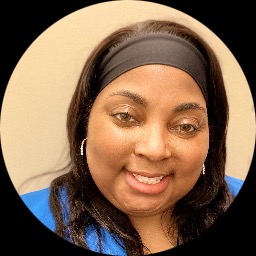
About Iesha
Iesha Whitaker is a Licensed Clinical Social Worker (LCSW) practicing in New York with eight years of experience. She works with adults dealing with stress, anxiety, depression, addiction, relationship difficulties, and trauma and abuse. She also supports people facing grief, parenting strain, career questions, and concerns related to sexual orientation.
Whitaker focuses on how patterns from a persons family of origin shape current relationships and behavior. She talks through how attachment and early family roles can influence anger, intimacy, self-esteem, and communication. Many people come to her wanting clearer boundaries, less reactivity, or help managing mood and panic symptoms.
Her approach mixes practical, skills-based work with reflective conversation. She uses Cognitive Behavioral Therapy to map thoughts and behaviors that keep problems going. Dialectical Behavior Therapy skills are used for regulating emotions and tolerating distress. Mindfulness techniques help ground attention and reduce rumination.
Motivational Interviewing can clarify goals when someone is unsure about change, and Narrative Therapy helps reframe unhelpful stories people repeat about themselves. Sessions tend to combine skill practice, short exercises, and focused discussion so people can try things between meetings.
Whitaker also brings experience supporting LGBT clients and those dealing with homelessness-related stress. Sessions are conducted in English in New York. If someone is considering therapy, they should confirm current session options and scheduling before booking.
How therapeutic approaches fit into online work
CBT helps people notice and change thought and behavior patterns that worsen anxiety or low mood. Online sessions can include brief exercises and homework to practice between meetings. DBT offers concrete skills for handling intense emotions and reducing impulsive reactions; those skills can be taught and rehearsed in virtual meetings with role play and stepwise practice. Finding the right approach is part of the work. The therapist will discuss goals, preferences, and what has or hasn't helped before, then recommend which methods to try first. This is a collaborative process with regular check-ins to see if the approach is helping and adjustments are needed. Confirm the specific session formats offered before booking, as current options are not listed here. Many people find online sessions easier to fit into a workday, allow shorter focused check-ins, or remove the need to travel. Ask about session length and scheduling when you complete the matching questionnaire so you can plan how therapy will fit into your routine.Areas of expertise
Primary focus
Also works with
Additional focus areas
Therapeutic approaches
Experience
8+ years
Listed in
New York
Languages
English
Frequently asked questions
What kinds of concerns does she address?
She works with stress, anxiety, depression, addictions, relationship problems, trauma and abuse, and related issues such as grief and parenting strain.
How does she approach therapy?
Sessions combine practical skill teaching and focused conversation. Methods listed include Cognitive Behavioral Therapy, Dialectical Behavior Therapy, mindfulness, Motivational Interviewing, and Narrative Therapy.
What is her clinical background?
She is a Licensed Clinical Social Worker with eight years of professional experience working with adults on mood, anxiety, and relational concerns.
Where is she based and licensed?
She practices in New York and holds the NY LCSW credential.
Which languages are supported?
Sessions are offered in English.
Does she work with clients outside the U.S.?
International clients are not currently accepted.
How are sessions billed?
Cost varies with location; sessions use a subscription model that can be canceled at any time.
How do I get started?
Select the See online therapy options button, complete a short matching questionnaire, and schedule a first session.
Online talk therapy is not emergency care. If you are in danger, use the emergency numbers. Looking for someone else? Find them by surname.