- Attachment-based work
- CBT and DBT methods
- Creative expressive tools
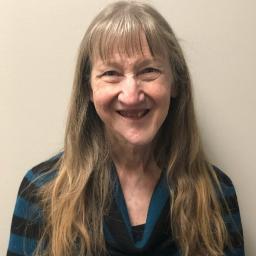
About Karen
Karen Murphree is an LCSW with three decades of clinical experience based in Montana. She works with adults on stress, anxiety, depression, grief, self-esteem, relationship concerns, intimacy-related issues, and coping with life changes. Her practice includes work with LGBT and gender-diverse clients and people examining patterns that trace back to their family of origin.
Karen describes an integrative style that blends evidence-based therapies with experiential tools. She uses approaches such as cognitive behavioral techniques, dialectical behavior strategies, EMDR-related work, and attachment-based ideas. She also draws on client-centered principles to help people name what is happening for them and try new ways of responding.
Sessions may include guided imagery, music, art, movement, and brief mindfulness practices alongside talk-based work. Karen also attends to lifestyle factors like sleep, food, and activity when they relate to mood and stress. She shares educational resources so people can follow up between visits.
Her background includes practice as an LPN and graduate-level study in natural and alternative approaches, plus a health coaching course. She frames care from a strength-based perspective rather than an illness-only view, and often combines practical skills with creative methods to support change.
Karen identifies as LGBTQIA2S+ and works with people who hold expansive identities, including kink and polyamory communities. She invites people who have drifted from organized religion to explore spirituality in their own way. To begin, readers are invited to use the site's matching process to schedule a first session.
Approaches used and how they work in online sessions
Attachment-based work focuses on patterns in close relationships and how early bonds affect current reactions. It helps people notice relational triggers and practice different ways of relating in everyday life. Cognitive Behavioral Therapy, or CBT, looks at thoughts and behaviors that keep problems going and teaches concrete skills to shift those patterns. Eye Movement Desensitization and Reprocessing, or EMDR, involves processing distressing memories in ways that can reduce their intensity and change how they feel in the present.Finding the right mix of methods is part of the work. Karen treats therapy as collaborative and will help a person decide which approaches to prioritize based on their goals, comfort, and what has or hasn't helped before. Sessions often combine skill practice, discussion, and experiential techniques so people can try new responses between meetings.
The site describes how to begin, but confirm the specific session formats offered before booking. Online work can make it easier to fit therapy into a busy life - for example, shorter check-ins can be scheduled during a break, or sessions without video can reduce bandwidth needs. These practical options can help people maintain continuity of care while integrating therapy into daily routines.
Areas of expertise
Also works with
Additional focus areas
Therapeutic approaches
Experience
30+ years
Listed in
Kansas, Washington, Missouri, Montana, Idaho, Oregon
Languages
English
Frequently asked questions
What kinds of concerns does she address?
She works with adults on stress, anxiety, depression, grief, self-esteem, relationship and intimacy issues, compassion fatigue, and family of origin concerns.
What is her general therapeutic style?
She blends client-centered care with practical skills from CBT and DBT, plus experiential techniques like imagery, art, and movement.
How much clinical experience does she have?
She brings 30 years of professional experience as a clinician, including earlier training as an LPN and additional graduate-level coursework.
What are her credentials and where is she based?
She is an LCSW licensed in OR and MO and practices from Montana for the services described here.
Which languages does she use in sessions?
Sessions are offered in English.
Does she accept international clients?
She is not accepting international clients at this time.
How are fees handled?
Cost varies with location; sessions use a subscription that can be canceled at any time.
What should I do to get started?
Select the See online therapy options button, complete the short matching questionnaire, and schedule a first session.
Online talk therapy is not emergency care. If you are in danger, use the emergency numbers. Looking for someone else? Find them by surname.