- CBT methods
- DBT skills
- Motivational interviewing
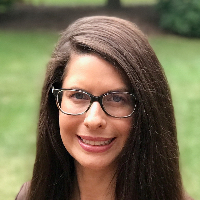
About Katherine
Katherine Potts is an LMSW and LCSW practicing in Michigan with ten years of clinical experience. She holds a Master of Social Work from Wayne State University. She works with adults who are dealing with stress, anxiety, depression, relationship and family concerns, addictions, and issues that trace back to early family experiences.
She helps people who notice the patterns from their family of origin showing up now. That includes attachment struggles, codependency, abandonment concerns, and adult children of alcoholics. She also supports people facing eating concerns, body image problems, infertility-related stress, and problems with intimacy or commitment.
Katherine uses practical, skills-based methods in sessions. She draws on cognitive behavioral therapy to identify and change unhelpful thoughts. She integrates dialectical behavior therapy skills for emotion regulation and distress tolerance. Motivational interviewing helps when people are working through change around substance use or other habits.
Sessions focus on clear goals and teachable strategies. Conversations include identifying patterns from childhood, practicing new ways to set boundaries, and handling conflict in relationships. Katherine also works on self-esteem, managing guilt and shame, and coping with life transitions.
Her background includes group work using DBT skills and experience supporting people diagnosed with borderline personality disorder. She aims to give straightforward tools people can try between sessions. To begin, a short matching questionnaire and a first session are used to set the initial plan.
How her approaches translate to online work
Many of Katherine's methods are skills-focused and adapt well to remote sessions. Cognitive Behavioral Therapy (CBT) involves identifying unhelpful thoughts and practicing new response patterns, which can be done through talk, worksheets, and between-session exercises. Dialectical Behavior Therapy (DBT) emphasizes emotion regulation, distress tolerance, and interpersonal effectiveness skills that are taught, practiced, and reviewed across sessions. Motivational Interviewing is a collaborative way of exploring readiness for change and can guide work on substance use or other behavior change goals.Choosing the right approach is part of the work. Katherine will collaborate with each person to identify which methods fit their needs and goals. That discussion helps shape whether sessions focus more on skill-building, behavior change, or relational work.
The biography does not specify which remote session formats are offered, so confirm the current options before booking. Online sessions can make it easier to fit therapy into a busy life, allow for shorter check-ins when needed, and avoid travel time. Licensed professionals can use remote sessions to teach skills, review homework, and track progress in ways that fit everyday schedules.
Areas of expertise
Primary focus
Also works with
Additional focus areas
Therapeutic approaches
Experience
10+ years
Listed in
Michigan, New Mexico
Languages
English
Frequently asked questions
What kinds of concerns does she work with?
She focuses on stress, anxiety, depression, relationship and family issues, addictions, and problems linked to family of origin patterns.
What is her general therapeutic style?
She uses practical, skills-based work. Sessions include identifying unhelpful thoughts and practicing emotion regulation techniques.
How much clinical experience does she have?
She has ten years of clinical experience and a Master of Social Work from Wayne State University.
What are her credentials and location?
She is an LMSW and LCSW licensed in Michigan.
Which languages are supported?
Sessions are offered in English and international clients are accepted.
What session formats are available?
The original biography does not list specific session formats. Confirm current session options before booking.
How are sessions paid for and what do they cost?
Cost varies with location and sessions use a subscription that can be canceled at any time.
How do I get started?
Select the See online therapy options button, complete a short matching questionnaire, and schedule a first session.
Online talk therapy is not emergency care. If you are in danger, use the emergency numbers. Looking for someone else? Find them by surname.