- Attachment-based work
- Cognitive-behavioral tools
- Solution-focused goals
About Lance
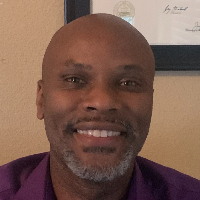
Dr. Lance Smith is a Licensed Marital and Family Therapist (LMFT) practicing in California with 25 years of experience. He sees adults for concerns such as depression, anxiety, relationship strain, parenting stress, addiction, grief, and issues tied to family of origin. Sessions also address intimacy questions, anger, self-esteem, ADHD, and coping with life changes.
He uses straightforward, conversation-based therapy. Sessions focus on what is happening now and how early family patterns still show up today. He listens for repeated roles and expectations that affect relationships and daily choices. He works with clients to name those patterns and try specific, manageable changes.
Dr. Smith draws on Attachment-Based, Client-Centered, and Cognitive Behavioral approaches, among others. That means he attends to early relationship patterns, centers the client's perspective, and tests practical changes in thinking and behavior. He also uses solution-focused techniques to set small, measurable goals.
In sessions he may address communication, boundaries, and parenting challenges that come from family history. He helps people sort through feelings such as guilt, shame, abandonment, or difficulty forgiving. He also offers support for multicultural concerns and end-of-life caregiving stress.
Most work is conversational with clear steps to try between sessions. He asks about what already helps and what gets in the way. If you choose to proceed, the first visit typically includes a review of priorities and a plan for the next few sessions.
How his approaches translate to online work
Attachment-Based Therapy focuses on how early relationships shape expectations in close relationships. It helps people who notice repeated patterns in closeness, dependence, or distance by tracking those patterns in current relationships. Client-Centered Therapy centers the client's perspective and priorities, giving space for people to say what matters most and for the therapist to reflect that back. Cognitive Behavioral Therapy (CBT) looks at specific thoughts and behaviors that keep problems going and tests small changes to see if they reduce symptoms or improve interactions.He treats finding the right approach as a collaborative task. The therapist and client review concerns, try a method, and adjust based on what fits, goals, and preferences. That process helps identify whether attachment work, CBT, or solution-focused steps are most useful for the issue at hand.
The original biography did not specify exact session formats, so confirm current session options before booking. Online sessions can make it easier to fit work into a busy week, allow shorter check-ins when needed, and avoid travel time. They also let people choose sessions that match their energy level, such as sitting for a longer conversation or doing a brief focused check-in without video.
Areas of expertise
Primary focus
Also works with
Additional focus areas
Therapeutic approaches
Experience
25+ years
Listed in
Oklahoma, Utah, California
Languages
English
Frequently asked questions
What kinds of concerns does he help with?
He works with stress, anxiety, relationship and family difficulties, depression, addictions, grief, intimacy issues, parenting strain, anger, self-esteem problems, bipolar concerns, ADHD, and coping with life changes.
What is his general therapy style?
His style is conversational and practical. He listens for recurring family patterns and helps clients try manageable changes between sessions.
How much clinical experience does he have?
He has 25 years of experience as a clinician working with adults on relationship and family-related concerns.
What are his credentials and where is he based?
He is a Licensed Marital and Family Therapist (LMFT) licensed in California and is based in California.
Which languages are supported?
Sessions are offered in English.
Does he work with international clients?
He does not accept international clients at this time.
How are sessions scheduled and paid for?
Cost varies with location; sessions use a subscription that can be canceled at any time.
What steps are required to begin?
Select the See online therapy options button, complete a short matching questionnaire, and schedule a first session.
Online talk therapy is not emergency care. If you are in danger, use the emergency numbers. Looking for someone else? Find them by surname.