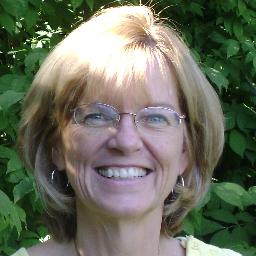
About Linda
Linda Hill is a Licensed Clinical Professional Counselor (LCPC) practicing in Idaho with 24 years of experience. She works with people facing stress, anxiety, relationship strain, grief, depression, and the challenges that come with life changes. Linda also lists family of origin concerns, trauma and abuse, intimacy-related issues, and self-esteem among her focuses.
She emphasizes an honest, straightforward connection in the room. Linda aims to help people notice the patterns that hold them back and learn practical skills to move forward. Sessions are meant to be a mix of talking and learning new ways to cope with hard moments.
Her background includes long experience across many mental health concerns. That experience covers mood issues such as bipolar disorder, compassion fatigue, and problems linked to chronic illness or disability. She also works with attachment issues, adoption and foster care questions, abandonment, blended family dynamics, and communication problems.
Linda uses several well-known therapeutic approaches to guide sessions. She draws on Acceptance and Commitment Therapy (ACT), Cognitive Behavioral Therapy (CBT), Dialectical Behavior Therapy (DBT), Attachment-Based Therapy, and Client-Centered Therapy. These give clear tools for managing emotions, improving relationships, and changing unhelpful thinking and behavior.
Her practice also attends to practical life areas like career stress, body image, codependency, and coping after disasters. People who want a direct, skill-focused conversation about how their past family patterns affect their present life may find her approach useful.
How therapy methods are used in online sessions
Acceptance and Commitment Therapy (ACT) focuses on clarifying what matters to a person and building small actions that align with those values. It helps when worry, avoidance, or stuck thinking keeps someone from living how they want. Cognitive Behavioral Therapy (CBT) looks at the links between thoughts, feelings, and behaviors and teaches clear, practical techniques to shift unhelpful patterns. It is often used for anxiety, depression, and stress management. Attachment-Based Therapy pays attention to how early family relationships influence current connections and emotional responses. It can help people understand repeating patterns that come from their family of origin.Finding the right approach is part of the work. Linda will collaborate with each person to decide which methods fit their goals and preferences. That means trying strategies, checking what helps, and adjusting the plan together rather than sticking rigidly to a single method.
Confirm the available session formats before booking, since the biography does not list them. Online work can make it easier to fit sessions into a busy week, allow shorter check-ins when needed, and remove the need to travel to an appointment. Many people appreciate being able to continue regular sessions despite changes in schedule or location. Licensed professionals can use these options to keep therapy consistent with daily life.
Areas of expertise
Primary focus
Also works with
Additional focus areas
Therapeutic approaches
Experience
24+ years
Listed in
Idaho
Languages
English
Frequently asked questions
What concerns does she address?
She works with stress, anxiety, relationship problems, grief, depression, and life changes, and lists family of origin issues and trauma and abuse among her focuses.
How does she approach therapy?
She uses a mix of talking and skill teaching, combining approaches that help with emotions, thinking, and relationships.
How much clinical experience does she have?
She has 24 years of experience in the mental health field.
What credential does she hold and where is she based?
She is an LCPC (Licensed Clinical Professional Counselor) practicing in Idaho.
Which languages are supported?
Sessions are offered in English and she accepts international clients.
What session formats are offered?
Session formats are not listed in the biography; confirm current session options before booking.
How are fees handled?
Cost varies with location and sessions use a subscription that can be canceled at any time.
How do I begin working with her?
Select the See online therapy options button, complete a short matching questionnaire, and schedule a first session.
Online talk therapy is not emergency care. If you are in danger, use the emergency numbers. Looking for someone else? Find them by surname.