- Stress and anxiety
- Family of origin
- Attachment issues
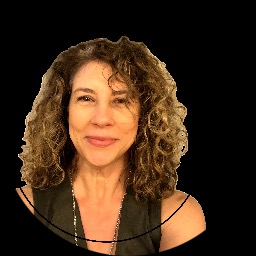
About Linda
Linda Spielman is an LCSW (Licensed Clinical Social Worker) with 23 years of experience in clinical practice in North Carolina. She works with adults on stress, anxiety, mood disorders, trauma and abuse, bipolar disorder, depression, and coping with life changes. Linda also focuses on family of origin issues, attachment concerns, communication problems, and related struggles such as guilt, shame, and loneliness.
She uses evidence-based therapeutic techniques alongside reflective, psychodynamic ideas to help people notice how early family roles and expectations still influence current behavior. Sessions are conversational and practical. Linda helps clients name patterns, try different responses, and build clearer communication skills.
Her background includes extensive clinical work over more than two decades and practice across multiple mood and anxiety presentations. That experience shapes a pragmatic approach to managing panic, obsessions and compulsions, and disruptive mood patterns.
In sessions she focuses on patterns that began in childhood and on tools people can use now. Work may include looking at attachment styles, family dynamics, and how those shapes affect relationships and self-view. Linda also addresses life transitions and midlife questions that often trigger old family patterns.
Clients can expect straightforward discussion about recurring roles and emotional responses. The aim is greater self-understanding and clearer choices about relationships and daily life. To start, readers are invited to follow the service’s matching process and schedule a first session.
Approaches used and how online sessions work
Linda uses evidence-based therapeutic techniques alongside psychodynamic ideas. Evidence-based techniques involve structured skills and exercises to manage emotions, reduce panic, and address compulsive behaviors. Psychodynamic work looks at how family roles and early attachment shape current feelings and relationships.Finding the right approach is part of the work. The therapist and client decide together which methods fit the client's goals and comfort level. That collaborative process may include trying structured skills practice one week and reflective discussion the next.
Session formats are not specified in the biography, so confirm current session options before booking. Online sessions can make it easier to fit therapy into a busy week, reduce travel time, and allow for shorter check-ins when needed. They also let people meet with licensed professionals from their own community and continue work across life transitions without rearranging as much of their schedule.
Areas of expertise
Primary focus
Additional focus areas
Experience
23+ years
Listed in
Texas, North Carolina
Languages
English
Frequently asked questions
What kinds of concerns does she work with?
She works with stress, anxiety, bipolar disorder, depression, trauma and coping with life changes. Additional focus areas include family of origin issues, attachment concerns, and communication problems.
How would you describe her therapeutic style?
Her style blends evidence-based techniques with psychodynamic ideas. Sessions tend to be conversational and focused on identifying and changing recurring patterns.
How much clinical experience does she have?
She has 23 years of professional experience in clinical practice. That background includes work across mood, anxiety, and trauma-related concerns.
What credentials and location are listed?
She holds an LCSW credential and practices in North Carolina with the listed licensure details TX LCSW and NC LCSW.
Which languages are supported?
Sessions are offered in English.
Can international clients work with her?
International clients are not currently accepted.
How does pricing work?
Cost varies with location and sessions use a subscription model that can be canceled at any time.
What are the first steps to begin?
Use the See online therapy options button, complete the short matching questionnaire, and then schedule a first session.
Online talk therapy is not emergency care. If you are in danger, use the emergency numbers. Looking for someone else? Find them by surname.