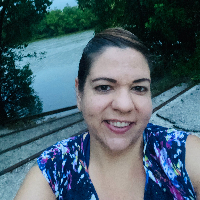
- Stress and anxiety
- Family of origin issues
- CBT and DBT methods
About Michelle
Michelle Boyles is a Licensed Clinical Social Worker (LCSW) in Florida with 25 years of experience. She has been a master's-level therapist since 2001 and has held the Florida LCSW credential since 2012. She helps people who are dealing with stress, anxiety, addictions, family concerns, mood disorders, and life changes.
Her work draws on practical skills and clear explanations. She focuses on helping people understand patterns from their past, develop coping strategies, and learn new ways of responding to everyday pressures. Sessions are built around conversation, education, and specific tools for managing symptoms and relationships.
Before practicing in Florida she completed a Bachelor of Arts in psychology at Penn State University and a Master of Social Work at Georgia State University. Her background includes inpatient crisis stabilization, residential programs, and outpatient therapy settings. That variety informs how she matches tools to each person's situation.
Michelle has long experience with substance use issues, mood disorders, and family conflict. She also works with concerns such as grief, anger, low self-esteem, caregiver stress, and relationships. Her approach brings together client-centered methods, cognitive behavioral techniques, dialectical behavior skills, mindfulness, and motivational interviewing.
In sessions she aims to give straightforward feedback, teach practical skills, and build clearer ways of managing problems that come from family of origin patterns and current life demands.
How her approaches translate to online sessions
Client-Centered Therapy focuses on listening and helping people set the pace. In practice this means the therapist reflects concerns, asks about what matters most, and supports the person's own goals. Cognitive Behavioral Therapy (CBT) looks at thoughts and behaviors and teaches concrete skills to change unhelpful patterns. It is often used for anxiety, depression, and managing strong emotions. Dialectical Behavior Therapy (DBT) offers specific skills for managing intense feelings and improving interpersonal effectiveness; it includes techniques for distress tolerance and emotion regulation.Finding the right approach is part of the work. The therapist will talk with the client about goals, preferences, and what has or hasn't helped in the past. Together they decide which methods to use and adjust the plan as progress is made.
Session formats are not specified in the biography, so confirm current options before booking. Online work can make it easier to fit sessions into a busy week, allow shorter check-ins when needed, and remove travel time. Practical benefits include steady access to weekly skill practice and the ability to use tools and worksheets during conversation, all while tailoring the rhythm of sessions to everyday responsibilities.
Areas of expertise
Primary focus
Also works with
Additional focus areas
Therapeutic approaches
Experience
25+ years
Listed in
Florida
Languages
English
Frequently asked questions
What concerns does she address?
She works with stress, anxiety, addictions, mood concerns, family issues, grief, anger, self-esteem, and coping with life changes.
What is her therapeutic style?
She uses a client-centered style with practical tools. Sessions include education, skills practice, and discussion of patterns from the past.
How much experience does she have?
She has 25 years of experience and has been a master's-level therapist since 2001, holding the Florida LCSW since 2012.
What are her credentials and where is she based?
She is an LCSW licensed in Florida and practices from that state.
Which languages are supported?
Sessions are offered in English.
Can people outside the U.S. work with her?
International clients are not currently accepted; sessions are offered to those in locations she serves within the licensing rules.
How are costs handled?
Cost varies with location and sessions use a cancellable subscription billing model.
What do I do to get started?
Use the See online therapy options button, complete a short matching questionnaire, and schedule a first session.
Online talk therapy is not emergency care. If you are in danger, use the emergency numbers. Looking for someone else? Find them by surname.