- Attachment work
- CBT techniques
- Client-centered care
About Misha
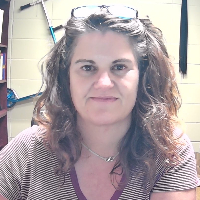
Misha Greer is an Alabama Licensed Professional Counselor (LPC) with 22 years of clinical experience working with adults. She focuses on concerns such as depression, anxiety, stress, relationship challenges, identity questions, and the lasting patterns people carry from their families of origin.
She often supports people who are exploring sexual identity and those managing the effects of past hurt. Misha works with issues around self-esteem, intimacy, grief, addiction, and coping with life changes. She also addresses ADHD, bipolar concerns, and compassion fatigue in daily life.
In sessions she uses attachment-based ideas alongside client-centered and cognitive behavioral techniques. That means conversations focus on how early relationships shaped current patterns, on present strengths, and on practical ways to change unhelpful thoughts and behaviors. Trauma-focused methods are used when past experiences are getting in the way of everyday functioning.
Misha emphasizes straightforward, collaborative work. She helps people notice repeated family roles and expectations, test new ways of relating, and practice communication skills. Sessions can include problem-solving, skill building, and reflection on emotional responses.
Her practice also covers more specific concerns such as abandonment, adoption and foster care issues, blended family stress, attachment difficulties, body image, caregiving strain, and kink-informed concerns. People who want to address how their family history shows up now will find focus on those patterns in her work.
How her approaches translate to online work
Attachment-Based Therapy looks at how early relationships influence current patterns. It helps people notice repeated roles from their family of origin and practice different ways of relating. Client-Centered Therapy focuses on the person in front of the therapist, emphasizing listening and reflection to clarify goals and priorities. Cognitive Behavioral Therapy (CBT) targets unhelpful thoughts and behaviors with concrete exercises and small experiments to change daily routines and reactions.Choosing the right approach is part of the work together. The therapist will talk with the client about needs, goals, and preferences and then suggest which methods to try first. This is a collaborative process that can shift over time as progress is made or priorities change.
Session formats are not listed in the biography, so confirm the current online options before booking. Many people find online sessions make it easier to fit counseling into a workday or to continue care during life changes. Online meetings can be used for skill practice, check-ins, and longer therapy conversations depending on what the client and therapist agree will help most.
Areas of expertise
Primary focus
Also works with
Additional focus areas
Therapeutic approaches
Experience
22+ years
Listed in
Alabama
Languages
English
Frequently asked questions
What kinds of problems does she address?
She works with stress, anxiety, depression, relationship and intimacy issues, grief, addictions, and family of origin patterns among other concerns.
What is her therapeutic style like?
Her style blends attachment-based and client-centered approaches with cognitive behavioral tools for practical change.
How much experience does she have?
She has 22 years of clinical experience as an Alabama Licensed Professional Counselor (LPC).
Where is she based and licensed?
She practices in Alabama and holds the LPC credential in that state.
Which languages are supported?
Sessions are offered in English only.
Does she work with international clients?
She does not accept international clients at this time.
How are sessions paid for?
Session cost varies by location and are provided through a subscription model that can be canceled at any time.
How do I begin working with her?
Start by selecting the See online therapy options button, completing a short matching questionnaire, and scheduling a first session.
Online talk therapy is not emergency care. If you are in danger, use the emergency numbers. Looking for someone else? Find them by surname.