- CBT methods
- DBT skills
- EMDR and mindfulness
About Paul
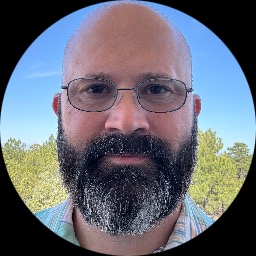
Paul Brunner is a Licensed Clinical Social Worker (LCSW) and a Clinical Social Worker (CSW) with 15 years of experience based in Colorado. He has worked extensively with adults on stress, anxiety, trauma and abuse, anger, and depression. He also focuses on issues such as sleep problems, self-esteem, career concerns, bipolar disorder, and ADHD.
He spent much of his career in military settings, beginning as a mental health technician and later serving as an Army officer and active duty social worker. That background shaped his experience providing trauma-informed care and substance use treatment in clinical settings. He holds a Master of Social Work and completed licensing requirements for Colorado and North Carolina, recorded as CO LCSW and NC LCSW.
In sessions he uses practical, skills-based methods. He draws on Cognitive Behavioral Therapy to look at thinking patterns and Dialectical Behavior Therapy to teach coping and emotion regulation skills. He also offers EMDR and mindfulness-based techniques when appropriate.
People who come because of family of origin issues or longstanding patterns from childhood can expect straightforward conversation about how those patterns play out now. He aims to help people notice patterns, try different responses, and practice new skills between sessions.
Paul has experience with concerns that intersect with trauma, domestic violence, and substance use. He asks about each person’s history and works collaboratively to set goals and next steps. To begin, readers should confirm current session options and follow the practice’s intake instructions.
How therapeutic approaches are used in online sessions
CBT focuses on identifying unhelpful thoughts and testing alternatives. In online sessions this can mean setting small experiments to try between meetings and reviewing results together. DBT emphasizes concrete coping skills for managing strong emotions and improving distress tolerance; digital sessions often include practicing those skills and coaching their use in daily situations. EMDR uses structured sets of attention and memory work to reduce the intensity of distressing memories. When EMDR is used remotely, the therapist guides the process and checks in about reactions and pacing so the work proceeds steadily. Finding which approach to use is part of the process rather than a fixed choice. He will work with each person to decide which methods fit their goals and preferences. That choice is collaborative and can change as work progresses, with regular review of what's helping and what to try next. Session formats are not listed in the biography, so confirm current options before booking. Online work can make it easier to fit sessions into a busy schedule, allow shorter check-ins when needed, and reduce travel time. It can also make it simpler to practice skills at home and bring real-life situations into conversation during the next meeting.Areas of expertise
Primary focus
Also works with
Additional focus areas
Therapeutic approaches
Experience
15+ years
Listed in
North Carolina, Colorado
Languages
English
Frequently asked questions
What kinds of problems does he address?
He works with stress, anxiety, trauma and abuse, anger, depression, sleep problems, self-esteem, career issues, bipolar disorder, and ADHD among other concerns.
How does he work with childhood and family patterns?
He helps people look at family of origin issues and how early roles or expectations still affect daily life. Conversations focus on identifying patterns and testing new responses.
What therapeutic style does he use?
The approach is practical and skills-based, using methods like Cognitive Behavioral Therapy, Dialectical Behavior Therapy, EMDR, mindfulness, and motivational interviewing as appropriate.
What is his experience and background?
He has 15 years in mental health work, including roles in military settings, and holds a Master of Social Work. His background includes trauma-focused and substance-related treatment.
Where is he licensed and what are his credentials?
He is listed as LCSW and CSW with licensing records for Colorado and North Carolina, noted as CO LCSW and NC LCSW, and practices from Colorado.
Which languages are supported in sessions?
Sessions are offered in English.
What formats are available for sessions?
Session formats are not specified here; readers should confirm current session options before booking.
How are costs and starting steps handled?
Cost varies with location and sessions use a subscription that can be canceled at any time. To begin, select the See online therapy options button, complete a short matching questionnaire, and schedule a first session.
Online talk therapy is not emergency care. If you are in danger, use the emergency numbers. Looking for someone else? Find them by surname.