- CBT methods
- DBT skills
- Attachment focus
About Sharron
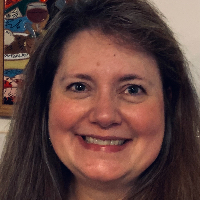
Sharron Lewis is a Licensed Clinical Social Worker (LCSW) in Louisiana with 24 years of experience. She works with adults on stress, anxiety, addictions, relationship and family concerns, depression, grief, trauma and abuse, and related areas such as parenting and sleep difficulties.
She earned a Master of Social Work from the University of Washington in Seattle in 2001 and early in her career worked in inpatient psychiatry at the Veterans Administration Hospital in Seattle. Since returning to Louisiana she has worked in child welfare, community mental health, and in private hospital settings.
For the last 13 years she has served as Clinical Director for an Intensive Outpatient Program, providing group and individual psychotherapy. That role involved coordinating care and guiding treatment plans for people with complex needs.
Her approach draws on Cognitive Behavioral Therapy (CBT), Dialectical Behavior Therapy (DBT), Acceptance and Commitment Therapy (ACT), Attachment-Based Therapy, Client-Centered Therapy, and mindfulness practices. She emphasizes body-mind methods that increase body awareness alongside mental work.
In sessions she focuses on clarifying goals and building a plan that fits the person’s needs. Common topics include family of origin issues, attachment problems, codependency, communication problems, and coping with life changes.
People interested in working on stress, relationships, grief, or family patterns will find practical strategies and skills work alongside reflective conversation.
Therapeutic approaches used in remote sessions
Acceptance and Commitment Therapy (ACT) focuses on clarifying values and taking committed steps toward them while learning to live with uncomfortable thoughts and feelings. It can help when avoidance or uncertainty gets in the way of daily goals.Cognitive Behavioral Therapy (CBT) teaches practical skills to spot unhelpful thoughts and change patterns of behavior. It is useful for anxiety, depression, sleep problems, and stress management.
Attachment-Based Therapy looks at how early family patterns shape current relationships and closeness. It helps people understand family of origin issues, attachment concerns, and how past roles affect present behavior.
Finding the right approach is part of the work. The therapist will collaborate with each person to decide which methods fit best based on their goals and what feels most useful in sessions. That decision can shift as progress is made.
Confirm current session formats before booking, as specific options are not listed here. Online sessions can make it easier to fit therapy into a busy life, for example by removing travel time, allowing shorter check-ins during a work break, or avoiding the need to be on camera. Licensed professionals can adapt ACT, CBT, and attachment work to remote sessions so clients practice skills between meetings and bring real-life situations to therapy.
Areas of expertise
Primary focus
Also works with
Additional focus areas
Therapeutic approaches
Experience
24+ years
Listed in
Louisiana
Languages
English
Frequently asked questions
What kinds of concerns does she address?
She works with stress, anxiety, addictions, relationship and family concerns, depression, grief, trauma and abuse, and related issues such as parenting, sleep problems, and anger.
What is her therapy style?
Her style combines practical skills and reflective work. She uses CBT, DBT, ACT, attachment-based ideas, client-centered techniques, and mindfulness.
How much experience does she have?
She has 24 years of clinical experience and has served as Clinical Director of an Intensive Outpatient Program for 13 years.
What are her credentials and where is she based?
She is an LCSW licensed in Louisiana and practices from that state.
In which language are sessions offered?
Sessions are offered in English.
Does she work with international clients?
She does not accept international clients at this time.
How are sessions billed and what does cost look like?
Costs vary with location and sessions use a subscription model that can be canceled at any time.
How do I begin working with her?
Select the See online therapy options button, complete a short matching questionnaire, and schedule a first session.
Online talk therapy is not emergency care. If you are in danger, use the emergency numbers. Looking for someone else? Find them by surname.