- Attachment based work
- CBT and DBT skills
- EMDR for trauma
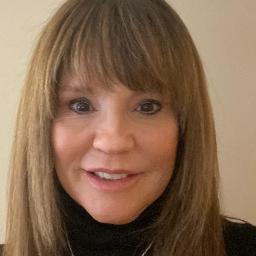
About Shirley
Shirley Butcher is an LPCC (Licensed Professional Clinical Counselor) practicing in Minnesota with six years of experience. She works with stress, anxiety, addictions, LGBT concerns, trauma and abuse, and depression. Shirley focuses on patterns that come from early family relationships and how those patterns show up now.
She uses clear, practical talk in sessions. Conversations focus on what is happening now and how past family roles and expectations affect daily life. She mixes listening with specific strategies clients can try between sessions.
Shirley draws on approaches such as attachment-based work, client-centered methods, CBT, DBT, and EMDR to address troublesome patterns. That means she pays attention to how relationships shape feelings, listens to each person’s experience, and teaches skills for managing distress and changing unhelpful thoughts and behaviors.
Sessions often cover topics like abandonment, attachment issues, communication problems, codependency, and family of origin issues. She also works with body image, guilt and shame, control issues, dissociation, and separation or divorce concerns.
Shirley combines clinical experience with practical knowledge of alcohol and drug counseling. In meetings she aims to help people recognize repeating patterns and try new ways of relating and coping. The focus is on clear steps and steady work rather than labels or quick fixes.
How Shirley uses therapeutic approaches online
Attachment-based work looks at how early relationships shape current patterns. It helps people notice how closeness, roles, and expectations from childhood affect adult relationships and emotions. Client-centered therapy focuses on listening and respecting each person's perspective. It supports people in naming what matters to them and choosing what to try next. Cognitive Behavioral Therapy, or CBT, teaches concrete skills to challenge unhelpful thoughts and change behaviors that keep problems going. It is often used for anxiety, depression, and stress.Choosing the right approach is part of the process. Shirley will talk with each person about their goals and preferences and then try approaches that fit. Decisions about methods are worked out together rather than imposed, with adjustments as needed based on what helps.
The practical benefits of online sessions include fitting appointments into a busy day and reducing travel time. Online work can make it easier to schedule shorter check-ins or regular weekly meetings around work or caregiving. Because session formats were not specified in the biography, confirm current online session options before booking. Many people find that remote sessions help them practice skills in real-life settings and keep therapy consistent with daily routines.
Areas of expertise
Additional focus areas
Therapeutic approaches
Experience
6+ years
Listed in
Minnesota
Languages
English
Frequently asked questions
What kinds of concerns does she address?
Shirley works with stress, anxiety, addictions, LGBT issues, trauma and abuse, and depression. She also focuses on family of origin issues and related patterns like attachment and codependency.
What is her approach in sessions?
She combines client-centered listening with skills-based methods. Sessions include discussion of relationship patterns and practical strategies such as CBT and DBT techniques.
How much clinical experience does she have?
Shirley has six years of professional experience in behavioral health and alcohol and drug counseling. That background informs her work with trauma and family patterns.
What credentials and location should I know?
She holds an LPCC credential and practices in Minnesota. The credential is presented as LPCC.
Which languages are offered?
Sessions are offered in English.
Can people outside the United States work with her?
International clients are not currently accepted.
How are sessions paid for?
Cost varies with location and sessions use a subscription model that can be canceled at any time.
How do I begin if I want to work together?
Start by selecting the See online therapy options button, complete a short matching questionnaire, and schedule a first session.
Online talk therapy is not emergency care. If you are in danger, use the emergency numbers. Looking for someone else? Find them by surname.