- Attachment patterns
- CBT and DBT skills
- First responder support
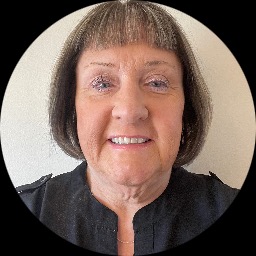
About Stephanie
Stephanie Sligo-Baker is a Minnesota LICSW with 37 years of clinical experience. She works with adults facing stress, anxiety, depression, relationship problems, grief, and challenges tied to trauma and life changes. She also supports people dealing with addiction, ADHD, bipolar concerns, and issues connected to family of origin patterns.
Her approach is straightforward and conversational. She listens to what is happening now and asks about how family roles and childhood patterns still affect daily life. Sessions focus on practical steps people can try between meetings as well as on understanding the past influences that shape current reactions.
Stephanie uses a mix of methods that match the person in front of her. That can include exploring attachment patterns to understand closeness and boundaries, using cognitive behavioral techniques to shift unhelpful thoughts and behaviors, or working with dialectical skills to manage intense emotions. She aims for clear tools people can use right away.
She has long experience helping people who work in high-stress jobs, including firefighters, police officers, first responders, and healthcare workers after on-the-job trauma. Her work with these clients emphasizes coping skills, pacing, and rebuilding routines that support daily functioning.
People who connect with Stephanie should expect a practical, person-centered conversation about what is hard now and what might help. She asks about goals, offers concrete strategies, and reviews progress across sessions so adjustments can be made when needed.
How therapeutic approaches shape online sessions
Attachment-Based Therapy looks at how early relationships influence current patterns of closeness and boundaries. Online sessions can focus on identifying repetitive roles learned in the family and practicing different ways of relating in everyday life. Cognitive Behavioral Therapy (CBT) helps people notice and test unhelpful thoughts and behaviors. In remote sessions CBT often includes concrete homework, thought records, and brief behavioral experiments between meetings to track changes.Finding the right approach is part of the work. The therapist will talk with the client about their goals, preferences, and what feels most useful. Together they decide whether to emphasize attachment work, CBT techniques, or other methods and adjust the plan as progress is reviewed.
The original profile does not list specific session formats, so confirm current online options before booking. In general, online sessions can make it easier to fit therapy into a workday or caregiving schedule, avoid travel time, and allow shorter check-ins when needed. They can also let a person use written exercises and screen sharing during a session to review tools and homework.
Areas of expertise
Also works with
Additional focus areas
Therapeutic approaches
Experience
37+ years
Listed in
Minnesota
Languages
English
Frequently asked questions
What concerns does she address?
She works with stress, anxiety, depression, grief, relationship and family of origin issues, and a wide range of other concerns listed in her profile.
What is her therapeutic style?
She uses a conversational, client-centered approach and offers practical strategies alongside exploration of family patterns.
How much clinical experience does she have?
She has 37 years of professional experience as a licensed clinical social worker.
What credential and location are listed?
She is a Minnesota LICSW and practices in Minnesota.
Which languages are offered and does she take international clients?
Sessions are offered in English and she does not accept international clients.
What session formats are available?
The original profile does not specify session formats; confirm current session options before booking.
How does payment work?
Cost varies by location and sessions use a subscription that can be canceled at any time.
How do I begin working with her?
Select the See online therapy options button, complete a short matching questionnaire, and schedule a first session.
Online talk therapy is not emergency care. If you are in danger, use the emergency numbers. Looking for someone else? Find them by surname.