- Family of origin
- Addictions help
- Attachment focus
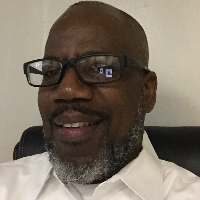
About Antimoore
Dr. Antimoore Jackson is an LCSW (Licensed Clinical Social Worker) practicing in Arkansas with four decades of clinical experience. He focuses on stress, anxiety, addictions, family concerns, trauma and abuse, depression, relationship and intimacy issues, grief, parenting, and related challenges. He also works with ADHD, bipolar concerns, eating and sleeping problems, and career or life transitions.
Dr. Jackson draws on many years of work across settings to identify longstanding patterns that come from the family of origin. He listens for how roles, expectations, and communication in childhood still shape adult choices. In sessions he pays attention to attachment patterns and how they affect current relationships and self-esteem.
His approach blends practical, skills-based methods with exploration of relational history. Techniques from cognitive behavioral therapy and dialectical behavior therapy are used alongside acceptance and commitment ideas to help people notice thoughts and pick values-driven actions. Attachment-based and client-centered work inform how he talks about family roles and corrective relational experiences.
Dr. Jackson’s long practice includes work with people from diverse backgrounds, the LGBTQ community, individuals who have faced foster care or adoption, and those coping with substance use. He aims to be direct and honest while addressing control, codependency, communication, and commitment issues.
Sessions are intended to clarify patterns, try new behavioral experiments, and build skills for managing emotions and relationships. Prospective clients in Arkansas who want to address how early family experiences affect their present life are invited to review the online therapy options and complete the initial matching steps before scheduling.
Approaches used in remote sessions
Acceptance and Commitment Therapy (ACT) helps people notice painful thoughts without getting ruled by them and then choose actions that match their values; it can be useful for anxiety, depression, and commitment concerns. Attachment-Based Therapy looks at early caregiving patterns and how they shape closeness and trust in adult relationships; it helps when family-of-origin roles still affect current behavior. Cognitive Behavioral Therapy (CBT) breaks problems into thoughts, feelings, and actions and teaches concrete skills to change unhelpful patterns, which can help with anxiety, addictions, and mood problems.Finding the best approach is part of the work. The therapist will collaborate with each person to decide which methods to try based on goals, preferences, and what shows up in early sessions. That collaborative process includes trying skills, reflecting on family-of-origin patterns, and adjusting the plan over time.
Confirm current session formats before booking to know which remote options are offered. Online sessions can make it easier to fit therapy into a workday, reduce travel time, and allow shorter check-ins when needed. They also allow practicing skills in real life between appointments. Licensed professionals, including this therapist, can use these approaches remotely to help people address patterns rooted in their family history.
Areas of expertise
Primary focus
Also works with
Additional focus areas
Therapeutic approaches
Experience
40+ years
Listed in
Arkansas
Languages
English
Frequently asked questions
What kinds of concerns does he address?
He works with stress, anxiety, addictions, depression, relationship and intimacy issues, grief, parenting concerns, ADHD, bipolar, and related problems.
How would you describe his therapy style?
He uses a direct, interactive style that combines practical skills and exploration of relational history to change patterns that began in childhood.
How much experience does he have?
He has about 40 years of experience in counseling across many settings and client populations.
What are his credentials and where is he based?
He is an LCSW licensed in Arkansas and provides services from that state.
Which languages are supported in sessions?
Sessions are offered in English.
Does he work with international clients?
He does not accept international clients at this time.
How are sessions structured and paid for?
Cost varies by location and sessions use a subscription that can be canceled at any time.
How do I begin working with him?
Select the See online therapy options button, complete the short matching questionnaire, and schedule a first session.
Online talk therapy is not emergency care. If you are in danger, use the emergency numbers. Looking for someone else? Find them by surname.