- Stress and anxiety
- CBT and DBT tools
- Grief and relationships
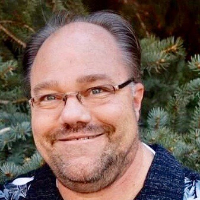
About Brandon
Brandon Woffinden is an LCMHC - Licensed Clinical Mental Health Counselor in Utah with ten years of experience. He works with stress, anxiety, addictions, grief, depression, relationship and family concerns, and other issues people bring from their past. Brandon also notes experience with first responder resiliency and supports clients handling life changes and career strain.
Brandon trained in Clinical Mental Health Counseling, earning his master’s degree from the University of Phoenix in 2012. Before that he spent a decade in law enforcement, which shaped his practical approach to problem solving and resilience. He draws on that background when helping people manage intense work stress or recovery after crisis.
His day-to-day approach uses straightforward tools. He often applies cognitive behavioral techniques to identify and change unhelpful thinking. He also uses dialectical behavioral strategies for managing strong emotions and building coping skills. Brandon adds mindfulness, breathing methods, meditation, and cognitive reframing to calm immediate reactions and build more useful habits.
Sessions move at a practical pace and focus on what the client wants to change. Brandon describes using interventions from multiple therapy schools depending on need. He also supports clients who are exploring personal spiritual paths as part of their healing and growth.
People who come with family of origin patterns, attachment struggles, or grief can expect direct discussion of how those past experiences affect current life. Brandon offers structured tools and conversational work to help people clarify goals and try new ways of responding.
Approaches used and how online sessions work
Brandon commonly uses client-centered ideas and cognitive behavioral therapy. Client-centered work focuses on listening and helping people name what matters to them so goals become clearer. Cognitive behavioral therapy looks at patterns of thinking and behavior, then practices different ways of responding to reduce anxiety and improve mood.He also draws on dialectical behavior therapy techniques to teach emotion regulation and distress tolerance skills. DBT tools help when strong emotions lead to impulsive actions or relationship conflict. Brandon treats approach selection as a collaborative process and will work with each person to choose methods that fit their goals and preferences.
The therapist’s biography does not list specific online session formats, so confirm which session types are offered before booking. Online work can make it easier to fit sessions into a busy life - for example a shorter check-in can fit into a lunch break, phone calls use less bandwidth, and video sessions allow face-to-face conversation without travel. Discussing what will work logistically is part of the first scheduling steps so sessions match day-to-day needs.
Areas of expertise
Also works with
Additional focus areas
Therapeutic approaches
Experience
10+ years
Listed in
Utah
Languages
English
Frequently asked questions
What kinds of concerns does he work with?
He helps people dealing with stress, anxiety, addictions, grief, depression, relationship and family issues, and related concerns like attachment and codependency.
What is his therapeutic style?
He uses a practical, skills-focused style. Sessions emphasize thinking skills, emotion regulation, mindfulness, and problem solving.
How much experience does he have?
He has ten years of experience and a background that includes ten years in law enforcement prior to his counseling career.
What are his credentials and where is he located?
He is an LCMHC - Licensed Clinical Mental Health Counselor in Utah.
Which languages are sessions offered in?
Sessions are offered in English.
Does he accept international clients?
He does not accept international clients at this time.
How are sessions paid for and how much do they cost?
Cost varies with location; sessions use a subscription that can be canceled at any time.
How do I get started with him?
Select the See online therapy options button, complete a short matching questionnaire, and schedule a first session.
Online talk therapy is not emergency care. If you are in danger, use the emergency numbers. Looking for someone else? Find them by surname.