- Family of origin patterns
- Trauma and abuse
- CBT and EMDR
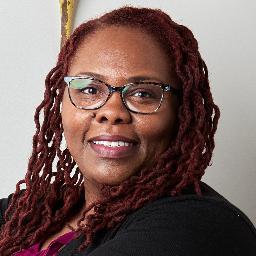
About Cynthia
Cynthia Fletcher is an LCSW (Licensed Clinical Social Worker) with 14 years of experience practicing in Kentucky. She works with adults who are struggling with stress, anxiety, depression, relationship problems, and family of origin issues. She also supports people dealing with trauma and abuse, addictions, grief, self-esteem concerns, and life transitions.
Her approach blends several familiar therapies so sessions feel practical and focused. She uses Client-Centered Therapy to listen and reflect what matters to each person. Cognitive Behavioral Therapy (CBT) helps identify unhelpful thoughts and change patterns. Dialectical Behavior Therapy (DBT) skills are brought in for emotion regulation and coping when needed.
Cynthia incorporates Emotionally-Focused Therapy to look at relationship patterns and attachment issues that date back to family experiences. She also uses Eye Movement Desensitization and Reprocessing (EMDR) when trauma memories are part of the problem. These methods are applied flexibly to match a person’s goals and pace.
Sessions are practical and aim to create clearer choices and daily habit changes. She works with issues such as parenting strain, intimacy-related concerns, ADHD, codependency, and blended family stress. She also supports people facing illness, aging concerns, career transitions, and recovery from separation or divorce.
People considering therapy are invited to review the online therapy options and complete a short matching questionnaire to schedule a first session. The subscription used for sessions can be canceled at any time.
How therapeutic approaches are used in online sessions
Client-Centered Therapy centers the conversation on what matters most to the individual, using reflective listening and problem clarification to set practical goals. This approach helps people who feel stuck by naming priorities and choosing small next steps.Cognitive Behavioral Therapy (CBT) focuses on identifying unhelpful thoughts and testing them in everyday life. It is useful for anxiety, depression, and patterns that stem from early family roles because it gives concrete exercises and simple behavioral experiments.
Dialectical Behavior Therapy (DBT) offers skills for managing intense emotions and improving distress tolerance. These skills can be helpful when someone needs stable strategies for coping with relationship conflicts or strong emotional reactions rooted in family experiences.
Finding the right approach is part of the process. The therapist will work collaboratively to decide which methods fit a person’s goals and preferences. That may mean trying one approach for a few weeks and adjusting as needed based on what works in practice.
Confirm the current session options before booking, since formats are not specified in the biography. Online sessions can make it easier to fit therapy into busy schedules, shorten travel time, and permit brief check-ins when a full in-person visit is not practical. Ask about the subscription model and scheduling steps when you complete the matching questionnaire.
Areas of expertise
Primary focus
Also works with
Additional focus areas
Therapeutic approaches
Experience
14+ years
Listed in
Kentucky
Languages
English
Frequently asked questions
What kinds of concerns does she work with?
She supports adults with stress, anxiety, depression, relationship and family of origin concerns, trauma and abuse, addictions, grief, self-esteem, ADHD, and related issues.
How would you describe her therapeutic style?
She takes a practical, person-focused approach that combines listening with concrete strategies. Sessions aim to clarify choices and develop coping skills.
How much experience does she have?
She has 14 years of professional experience as a licensed clinical social worker.
What are her credentials and where is she based?
She is an LCSW licensed in Kentucky and practices there.
Which languages are supported?
Sessions are offered in English.
Does she take international clients?
She does not accept international clients at this time.
How does payment or cost work?
Cost varies by location and sessions use a subscription model that can be canceled at any time.
How do I get started?
Select the See online therapy options button, complete a short matching questionnaire, and schedule your first session.
Online talk therapy is not emergency care. If you are in danger, use the emergency numbers. Looking for someone else? Find them by surname.