- Attachment work
- CBT and DBT
- Relationship patterns
About Erika
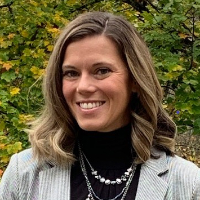
Erika Rucker is an LPC (Licensed Professional Counselor) practicing in West Virginia with three years of counseling experience. She works with stress, anxiety, relationship concerns, grief, depression, addiction, family issues, and related areas listed in her profile. Sessions focus on what a person needs to function better day to day.
Erika draws on approaches such as Attachment-Based Therapy, Client-Centered Therapy, Cognitive Behavioral Therapy (CBT), Dialectical Behavior Therapy (DBT), and Emotionally-Focused Therapy (EFT) to help people notice and change patterns. She uses plain talk and concrete tools so people can try things between sessions. Her background includes work across settings that involved addiction, trauma, eating concerns, sleep problems, and grief.
In practice she spends time identifying how family roles and early relationship patterns affect current behavior and feelings. That can mean looking at expectations learned in childhood, how people handle closeness, or responses to stress that have become automatic. Work may include communication skills, emotion regulation strategies, and testing small behavior changes to see what helps.
Erika also supports people managing overlapping problems such as chronic illness, caregiver stress, substance use concerns, or ADHD symptoms. She pays attention to practical coping - sleep routines, handling anger, and managing overwhelm - alongside relationship topics.
To begin, people complete a short matching questionnaire and schedule a first session. Fees vary by location and use a subscription that can be canceled at any time.
Approaches used in online work and how they help
Attachment-Based Therapy looks at how early relationships shape current ways of connecting. It helps when past patterns affect trust, closeness, or conflict in adult relationships. Client-Centered Therapy centers the person's experience and priorities, giving time to talk while the therapist follows the client's lead and clarifies what matters most. Cognitive Behavioral Therapy (CBT) focuses on identifying unhelpful thoughts and testing new behaviors; it is useful for anxiety, mood, sleep, and problem solving.Choosing an approach is part of the work. The therapist discusses goals, symptoms, and what a person prefers, then they decide together which methods to try and how to adjust them over time. That collaborative process means the plan can change if something isn’t helping.
The profile does not list specific session formats, so confirm current options before booking. Online sessions can make it easier to fit counseling into a busy week, allow shorter check-ins when needed, and remove travel time. Some people prefer not being on camera for parts of a session, while others use video for face-to-face interaction. Licensed professionals deliver the therapy and will discuss the practical setup and rhythm that best fits daily life.
Areas of expertise
Primary focus
Also works with
Additional focus areas
Therapeutic approaches
Experience
3+ years
Listed in
West Virginia
Languages
English
Frequently asked questions
What kinds of concerns does she address?
She works with stress, anxiety, relationship issues, grief, depression, addiction, family and intimacy-related concerns, plus related areas such as sleep, eating, and caregiver stress.
What is her general therapeutic style?
She combines client-centered listening with practical techniques from CBT, DBT, EFT, and attachment work so sessions blend reflection with skill practice.
How much clinical experience does she have?
She has three years of counseling experience noted in the profile and prior work addressing addiction, trauma, eating concerns, sleep disorders, and grief.
What are her credentials and where is she based?
She is an LPC - Licensed Professional Counselor - working from West Virginia.
Which languages are supported and can international clients connect?
Sessions are offered in English. International clients are not currently accepted.
What session formats does she offer?
The biography does not specify session formats here; confirm current session options before booking to know whether video, phone, or in-person visits are available.
How are costs handled?
Fees vary with location and sessions use a subscription model that can be canceled at any time.
How do I get started?
Select the See online therapy options button, complete a short matching questionnaire, and schedule a first session.
Online talk therapy is not emergency care. If you are in danger, use the emergency numbers. Looking for someone else? Find them by surname.