- Stress and anxiety
- Addictions and relapse
- Mindfulness and ACT
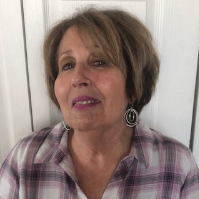
About Linda
Linda Pollack is an Arizona Licensed Professional Counselor (LPC) with 25 years of experience. She works with adults on stress, anxiety, addictions, relationship concerns, depression, grief, and family of origin issues. She also addresses intimacy-related problems, self-esteem and career questions.
Her practice focuses on practical skills and clear goals. Sessions often include ways to manage strong feelings, build better communication, and cope with life changes. She uses methods from cognitive behavioral approaches, acceptance-based work, mindfulness, and skills training to help people handle day-to-day problems.
Linda has substantial time working with adults who face substance use concerns and relapse prevention. She has led both individual and group work aimed at life management skills and anger management. Her background includes supporting people through separation, divorce, bereavement, and medical concerns such as cancer when those issues affect mood and functioning.
In session she often combines behavioral strategies with mindfulness practices and values-based action. That can mean learning new ways to respond to stress, practicing emotion regulation skills, and clarifying what matters most in work and relationships. The focus is on what the person can try between sessions.
People who choose her tend to want straightforward, skills-focused help rather than only talk. She asks about patterns that came from the family of origin and how those patterns show up now. To begin, prospective clients complete a short matching questionnaire and then schedule a first session.
How her approaches are used in online sessions
Acceptance and Commitment Therapy (ACT) helps people clarify what matters to them and take small steps toward those values while accepting difficult thoughts. It is useful for anxiety, life transitions, and situations where avoidance gets in the way of living. Cognitive Behavioral Therapy (CBT) focuses on changing unhelpful thinking and behavior patterns. Clients learn practical skills to test beliefs, reduce avoidance, and manage symptoms of depression and anxiety. Dialectical Behavior Therapy (DBT) offers concrete emotion regulation and interpersonal skills. These tools help when strong emotions or relationship conflicts make it hard to stay on track. Finding the right approach is part of the work. The therapist collaborates with each person to choose and adjust methods based on goals, preferences, and what proves most helpful over time. Confirm the actual session options before booking, as the biography does not list formats. Many people find online sessions easier to fit into busy days, allow shorter check-ins during breaks, or reduce travel time. Talk with the therapist about which setup would best suit scheduling, focus, and practical needs before the first session.Areas of expertise
Primary focus
Also works with
Additional focus areas
Therapeutic approaches
Experience
25+ years
Listed in
Arizona
Languages
English
Frequently asked questions
What concerns does she work with?
She works with stress, anxiety, addictions, relationship and family of origin issues, as well as grief, depression, and intimacy-related problems.
What is her therapeutic style?
She uses practical, skills-based methods including Cognitive Behavioral Therapy and Acceptance and Commitment Therapy alongside mindfulness and DBT-informed skills.
How much experience does she have?
She has 25 years of clinical experience practicing in Arizona, including individual and group work focused on life management and relapse prevention.
What are her credentials and where is she based?
She is an LPC (Licensed Professional Counselor) practicing in Arizona.
In which languages are sessions offered?
Sessions are offered in English.
Does she work with international clients?
International clients are not currently accepted.
How much do sessions cost?
Cost varies with location; sessions use a subscription that can be canceled at any time.
How do I get started?
Select the See online therapy options button, complete a short matching questionnaire, and schedule a first session.
Online talk therapy is not emergency care. If you are in danger, use the emergency numbers. Looking for someone else? Find them by surname.