- Client-centered approach
- Cognitive Behavioral Therapy
- DBT skills
About Scott
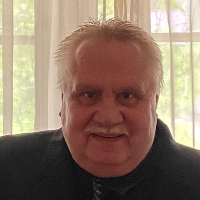
Scott Heise is an Illinois Licensed Clinical Professional Counselor (LCPC) with 14 years of experience in community mental health. He works with adults on concerns such as anxiety, depression, addictions, grief, sleep problems, parenting strain, anger, self-esteem, career issues, bipolar disorder, ADHD, and family of origin issues. He also lists a range of related focuses including attachment issues, caregiver stress, chronic illness, and blended family concerns.
He trained at Trinity International University, earning a Master’s degree in Counseling Psychology in 2009. His background includes long-term work in community settings, where he supported people facing mood disorders, substance use, trauma and post-traumatic stress, and the everyday frustrations that come with major life changes.
In sessions he emphasizes a client-centered stance and goal-oriented work. He uses Cognitive Behavioral Therapy to look at thoughts and behaviors, Dialectical Behavior Therapy for emotion regulation and coping skills, and Client-Centered Therapy to guide the pace of work. Motivational Interviewing and existential ideas also appear in his toolkit.
He can integrate Christian perspectives when clients request that approach, including prayer and faith-based conversation. He combines straightforward talk, practical skill-building, and occasional humor to help people move toward the goals they set.
People who come because early family patterns still affect their relationships often find he focuses on what can be done now. Sessions typically set clear objectives and practiceable steps for handling stress, communication problems, or recurring role patterns tied to family of origin experiences.
How his approaches work in online sessions
Client-Centered Therapy focuses on the client’s perspective and pace. The therapist follows the person’s lead, listens closely, and adjusts goals based on what matters most to the client. This approach is helpful for people who need space to make sense of family patterns and decide what to change.Cognitive Behavioral Therapy (CBT) breaks problems into thoughts, feelings, and actions. It uses practical exercises and experiments to test new ways of thinking and acting. CBT can help with anxiety, depression, sleep problems, and recurring habits tied to family-of-origin patterns.
Dialectical Behavior Therapy (DBT) teaches concrete skills for managing strong emotions and improving how someone copes under stress. Skills include emotion regulation, distress tolerance, and clearer communication, which many people find useful when old family roles create repeated conflict.
Choosing the right approach is a collaborative process. The therapist will talk with the client about goals, try approaches that fit those goals, and adjust plans as work proceeds. Clients help set priorities and decide which skills or topics to focus on next.
Confirm current session options before booking, as formats are not specified here. Online sessions can make it easier to fit therapy into a busy schedule, reduce travel time, and allow for brief check-ins between longer work weeks. Talk with the therapist when scheduling to choose session times and rhythms that fit everyday life.
Areas of expertise
Primary focus
Also works with
Additional focus areas
Therapeutic approaches
Experience
14+ years
Listed in
Illinois
Languages
English
Frequently asked questions
What concerns does he commonly address?
He works with anxiety, depression, addictions, grief, sleep problems, parenting strain, anger, self-esteem, career issues, bipolar disorder, ADHD, and family of origin issues among other related concerns.
What is his therapeutic style?
His style is client-centered and goal-oriented. He blends practical skill work with discussion and problem-solving.
How much experience does he have?
He has 14 years of experience, including long-term work in community mental health settings and a Master’s degree in Counseling Psychology earned in 2009.
What are his credentials and where is he based?
He is an Illinois LCPC (Licensed Clinical Professional Counselor) and practices from Illinois.
Which languages are supported in sessions?
Sessions are offered in English.
Can international clients work with him?
He does not accept international clients at this time.
How are sessions scheduled and paid for?
Session cost varies with location and uses a subscription model that can be canceled at any time.
What do I do to begin working together?
Use the See online therapy options button, complete a short matching questionnaire, and schedule a first session.
Online talk therapy is not emergency care. If you are in danger, use the emergency numbers. Looking for someone else? Find them by surname.